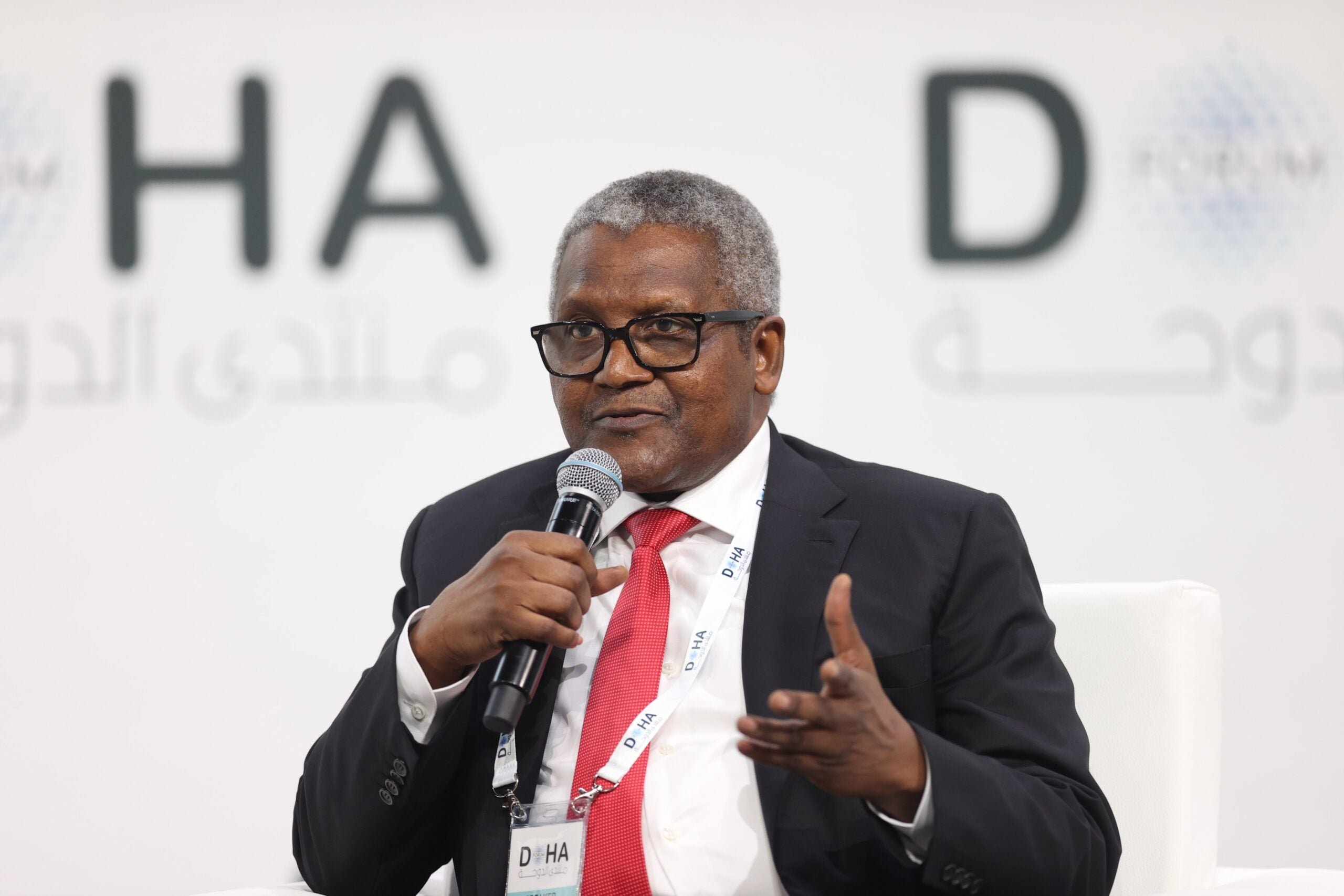
Aliko Dangote has unveiled ambitious plans to construct Africa’s largest detergent feedstock plant. Within the sprawling Dangote Refinery complex, marking another major step in the refinery’s transformation into a full-scale industrial powerhouse.
The new facility will produce 400,000 tonnes of Linear Alkyl Benzene (LAB) annually. A critical raw material used in the manufacturing of detergents and cleaning products. Once operational, the plant is expected to meet the entire demand for LAB across Africa. Significantly reducing the continent’s dependence on imports.
A Strategic Shift Beyond Fuel
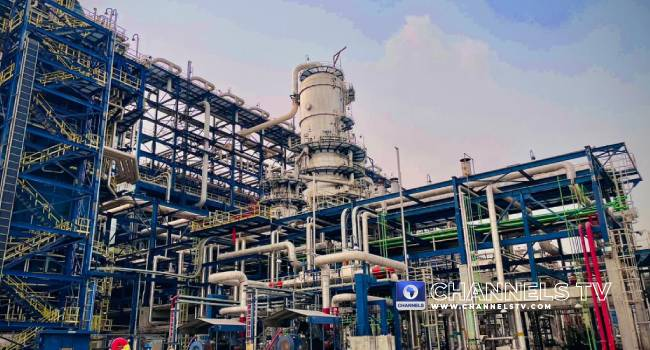
While the Dangote Refinery initially captured global attention for its massive petroleum refining capacity. This latest development underscores a broader vision. The refinery is increasingly evolving into a diversified petrochemical and industrial hub. Capable of supplying essential raw materials to multiple sectors.
By integrating LAB production into the refinery complex, Dangote is leveraging existing infrastructure, logistics networks. And feedstock availability to maximize efficiency and cost-effectiveness.
Reducing Import Dependence
Africa currently relies heavily on imported detergent raw materials. Exposing manufacturers to foreign exchange pressures, supply chain disruptions, and fluctuating global prices. The proposed plant aims to change that narrative.
With local production at scale, detergent manufacturers across Nigeria and the wider continent could benefit from:
- Lower production costs
- Reduced shipping and import delays
- Improved supply chain stability
- Stronger regional value chains
This move aligns with broader industrialization goals across Africa. Where policymakers are pushing for local processing and value addition rather than exporting raw materials and importing finished goods.
30-Month Completion Timeline
The project is expected to be completed within 30 months. Signaling a relatively aggressive timeline for a facility of such magnitude. If delivered on schedule, the plant could quickly become a game-changer for Africa’s homecare and cleaning products industry.
Industry analysts suggest the investment will not only deepen Nigeria’s petrochemical footprint but also enhance its position as a manufacturing hub in West Africa.
Strengthening Nigeria’s Industrial Base
For Nigeria, the implications go beyond detergents. Expanding into LAB production strengthens the country’s downstream petrochemical ecosystem. Encourages industrial diversification, and creates potential export opportunities within and beyond Africa.
It also reinforces Dangote’s long-term strategy of building vertically integrated operations. Controlling multiple stages of production from refining to petrochemicals—thereby capturing more value within the domestic economy.
A Broader Industrial Vision
The planned detergent feedstock plant is another signal that the Dangote Refinery is not just a fuel production facility, but a cornerstone of Africa’s industrial transformation.
If successfully executed, the project could:
- Boost manufacturing competitiveness
- Reduce foreign exchange outflows
- Generate employment opportunities
- Strengthen intra-African trade
As Africa pushes for economic self-reliance and industrial growth, initiatives like this highlight how large-scale private sector investments can play a pivotal role in reshaping the continent’s production landscape.