Nigeria faces another major setback in its power sector. The national grid collapsed on Friday, plunging millions into darkness. This incident highlights ongoing issues that demand immediate attention.
The Recent Grid Collapse
Power generation dropped sharply from over 4,500 megawatts to just 24 megawatts around 1:30 pm. All 23 connected power plants lost output completely.
As a result, distribution companies received zero allocation, affecting homes and businesses nationwide. Moreover this marks the first collapse in 2026, following several in 2025.
Obi’s Outspoken Criticism
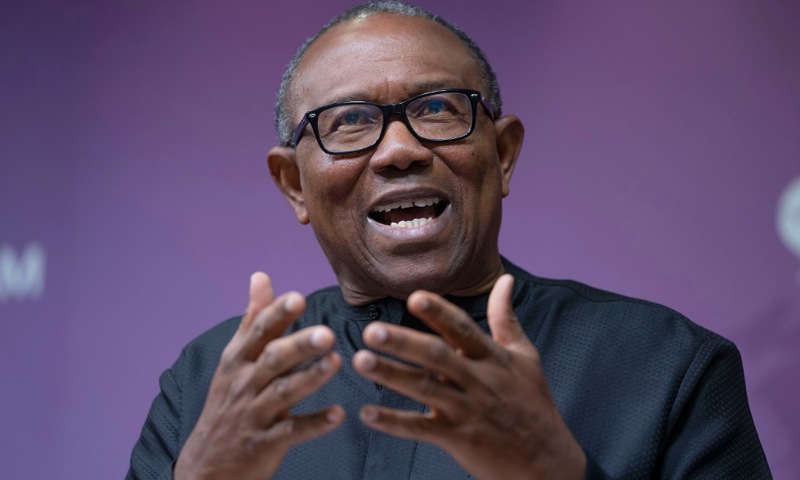
Peter Obi, former Labour Party presidential candidate, quickly responded on X. He titled his statement “2026: The Collapse Continues.” Obi called the repeated failures a national shame and blamed leadership failures.
In addition, he described Nigeria’s 5,000 megawatts capacity as absurdly low. This figure hampers productivity for over 240 million people.
He further noted Nigeria’s poor global ranking. For three years from 2023 to 2025, the country ranked last in electricity access. Nearly 100 million citizens lack power. Therefore Obi stressed the need for competent leaders in the power sector.
Unfavorable Comparisons
Obi drew sharp contrasts with other African nations. South Africa generates over 40,000 megawatts for 64 million people. Egypt produces a similar amount for 115 million.
Algeria exceeds 50,000 megawatts for 48 million. However Nigeria struggles with just 5,000 megawatts despite its larger population. This disparity underscores the crisis.
Urgent Call for Leadership Change
Looking ahead, Obi urged Nigerians to prioritize competence in 2027 elections. He emphasized empathy and dedication in leaders. Anything less remains unacceptable. Furthermore, he called for a significant turnaround to fix the power woes.
In conclusion, this grid collapse revives debates on energy reforms. Obi’s words spark hope for change. Nigerians deserve reliable power to thrive. With collective action, the nation can overcome these challenges.