Tension is rising in Ijebu-Ode, Ogun State, following reports that the traditional council plans to disqualify six key aspirants in the race to succeed the late Awujale of Ijebuland, Oba Sikiru Kayode Adetona. Notably, the monarch ruled for 65 years, making the succession process especially sensitive.
According to sources, the council is considering excluding several leading contenders, many of whom are senior palace chiefs and members of the Omo-Oba royal lineage. However, observers have described the move as unprecedented and controversial.
Customary rules guide Awujale succession
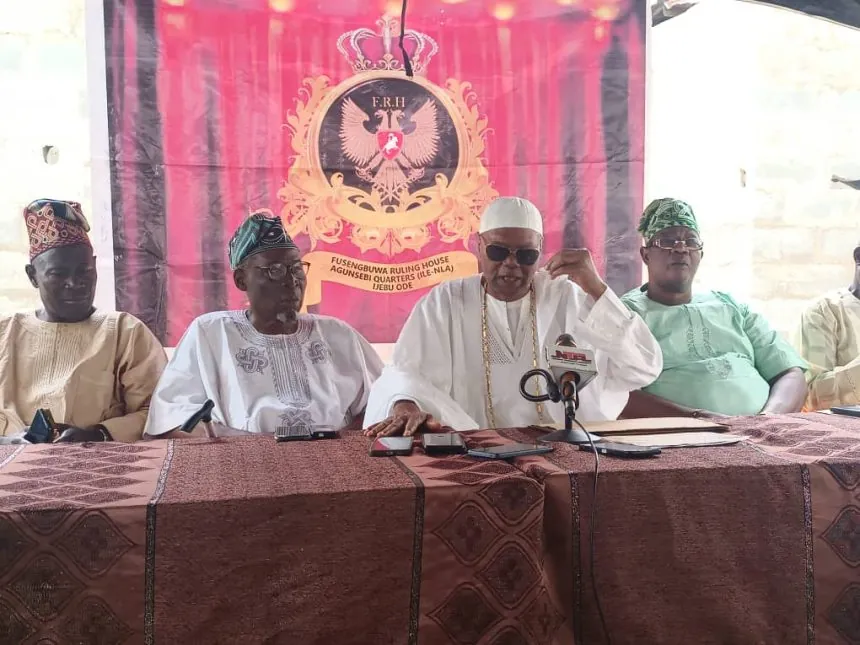
Traditionally, the Awujale stool rotates among four ruling houses: Anikinaiya, Fidipote, Fusengbuwa, and Gbelegbuwa. In addition, only male descendants of these houses qualify, in line with Yoruba custom and the Ogun State Chiefs Law of 1957.
In past successions, disputes usually involved individual candidates or specific ruling houses. By contrast, analysts say the proposed mass disqualification marks a sharp departure from long-established practice.
Allegations of undue influence emerge
Meanwhile, sources have alleged that some influential chiefs, including Kakanfo, Madasa, and Lapoekun, attempted to influence kingmakers during the interregnum. Specifically, the allegations include claims of pressure and inducements aimed at promoting preferred candidates.
As a result, the Ogun State Government has reportedly received petitions on the matter. Consequently, officials may consider excluding any chief found culpable from the official list of kingmakers ahead of the 2026 process.
Critics question grounds for disqualification
However, critics have raised concerns over the reasons cited for disqualifying the six aspirants. According to them, age and procedural issues cited against candidates aged between 65 and 78 appear arbitrary.
Furthermore, several of the affected aspirants are senior otunbas, including Hassan, Onanuga, and Osibogun, who play central roles in palace administration. Therefore, their exclusion could weaken institutional continuity.
Awujale stool draws national attention
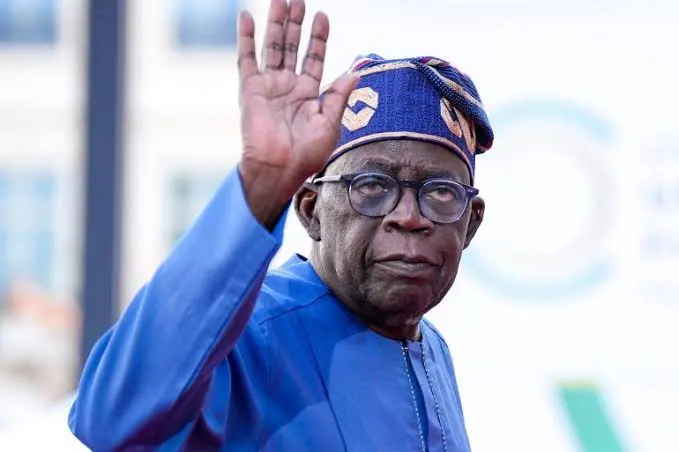
Beyond local concerns, the Awujale stool carries national significance due to the late monarch’s stature and influence. Notably, President Bola Ahmed Tinubu, who has historical ties to Ijebu-Isonyin, is believed to favour a transparent and tradition-driven process.
Despite this interest, analysts warn that arbitrary exclusions could invite legal challenges and public scrutiny. As such, they stress that strict adherence to rotation and statutory provisions remains essential.
Calls grow for transparency and restraint
Consequently, community leaders and stakeholders have urged restraint and full compliance with customary law. In their view, fairness and transparency remain critical to public trust.
Ultimately, observers insist that the legitimacy of the Awujale throne depends on an open and lawful process. Otherwise, they warn, the stability of traditional governance in Ijebu-Ode could suffer lasting damage.