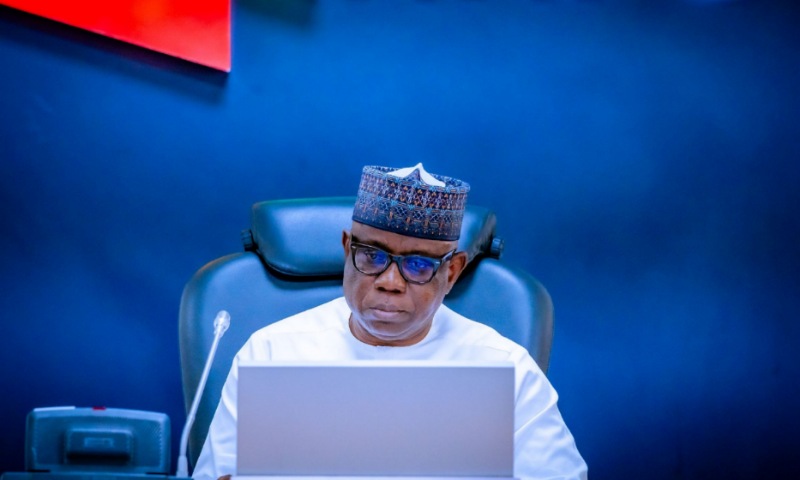
Bayo Ojulari, who is the group chief executive officer of the Nigerian National Petroleum Company Limited, addressed industry leaders at the Nigeria International Energy Summit in Abuja. He explained the persistent failures of Nigeria’s refineries during a fireside chat.
Ojulari stated, “The reason our refineries have not worked is that we are focused on the first two: EPC and financing.” This revelation came amid ongoing debates about energy sector reforms.
Focus on Financing Over Operations
Ojulari emphasized that successful refinery operations required three key elements. He listed financing, engineering procurement and construction contractors, and world-class operational capacity. However NNPC historically prioritized the first two aspects.
Ojulari added, “We focused on the first two and ignored the third.” Meanwhile financiers and contractors completed their roles and departed, leaving NNPC to manage facilities for decades without adequate expertise.
Monumental Losses Prompt Shutdown
An internal review uncovered severe financial drains. Ojulari revealed that refineries operated at monumental losses despite regular crude oil supplies. Utilization rates stayed between 50 and 55 percent, while costs escalated.
He noted, “We were simply burning money.” Moreover no credible path to profitability existed, leading to a temporary shutdown.
Lack of Capacity Acknowledged
Ojulari admitted NNPC’s limitations in running refineries profitably. He declared, “There’s no way in NNPC, with the structure we are in, we can run it positively. We don’t have the capacity right now.” This structural flaw stemmed from a system designed for extraction rather than investment.
Shift to Experienced Operators
In response, NNPC shifted strategy. Ojulari announced plans to partner with global refinery operators instead of contractors. He clarified, “We are not looking for contractors. We are not looking for O&M service providers. Also we are looking for an entity that actually runs refineries.” This approach aimed to complement existing capabilities and ensure long-term viability.
Implications for Energy Sector
These disclosures highlighted systemic issues in Nigeria’s refining industry. Stakeholders anticipated reforms to boost efficiency and reduce import dependency. The summit provided a platform for such critical insights, fostering dialogue on sustainable energy solutions.