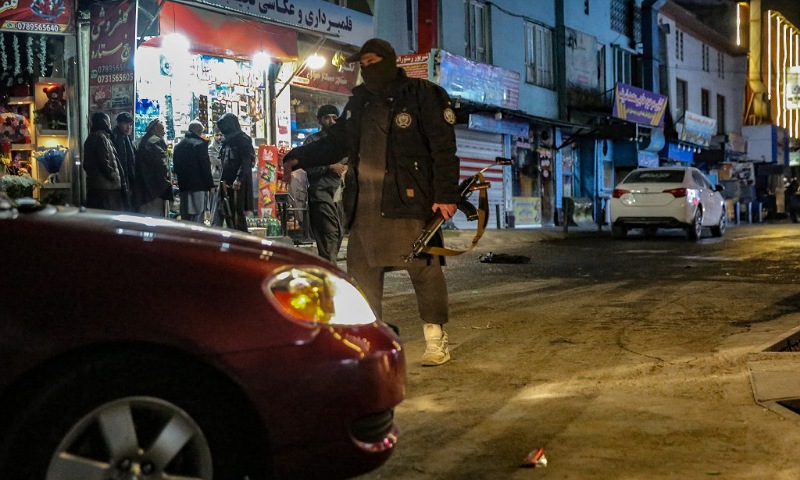
A powerful blast hit a Chinese restaurant in Kabul on January 19, 2026. The explosion killed seven people, including one Chinese national. It also injured over a dozen others, with five Chinese citizens among the wounded. Authorities quickly launched an investigation into the cause.
The restaurant sat in a busy, heavily guarded area. Witnesses reported chaos as emergency services rushed to the scene. Meanwhile the incident raised immediate concerns about security in the Afghan capital.
ISIS Claims Responsibility for Attack
The Islamic State group, known as ISIS-K, took credit for the bombing. They posted a statement on their news agency, Amaq. In it, they said they targeted Chinese citizens due to Beijing’s treatment of Uyghur Muslims. This claim linked the attack to broader regional tensions.
Moreover ISIS-K criticized the Taliban government’s ties with China. The group vowed to continue such operations. Afghan officials confirmed the deaths but noted the probe continued.
China’s Strong Diplomatic Response
Beijing swiftly condemned the attack. Foreign Ministry spokesperson Guo Jiakun expressed deep condolences for the victims. He extended sympathies to the injured during a press briefing.
China made urgent representations to the Taliban authorities. Officials urged them to treat the wounded fully and investigate thoroughly. Additionally Beijing demanded that perpetrators face justice soon.
Guo stressed the need for stronger measures. He called on Afghanistan to protect Chinese nationals, projects, and institutions better. As a result, China advised its citizens to avoid travel to Afghanistan.
Ongoing Security Concerns for Chinese Interests
This bombing follows recent violence against Chinese people. Last month, attacks in Tajikistan near the Afghan border killed five Chinese nationals. Beijing blamed groups operating from Afghanistan.
Furthermore, China has invested in Afghan oil and mining. However safety issues persist under Taliban rule. The government seeks economic ties but faces criticism over human rights.
Broader Implications for Regional Stability
The incident highlights China’s growing role in Afghanistan. Beijing pushes for counterterrorism efforts from the Taliban. Yet it has not formally recognized their government.
Moreover, experts predict heightened tensions. ISIS-K’s actions may strain China-Taliban relations. Meanwhile international observers watch how Afghanistan responds to protect foreign citizens.
In conclusion, this event underscores the fragile security situation. China remains firm in demanding action to safeguard its people abroad.