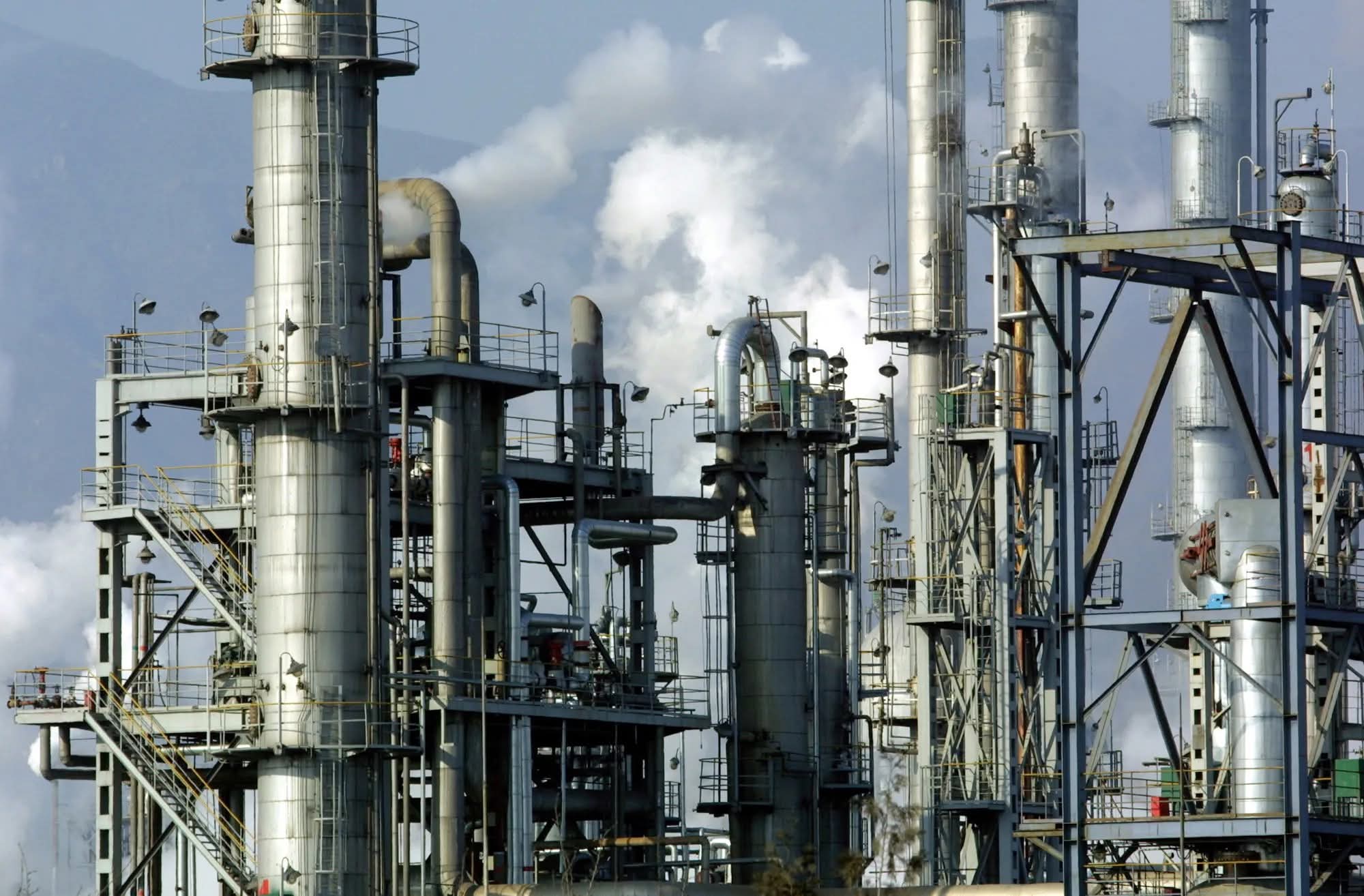
Beijing’s government issued an order to the country’s largest oil refiners. The directive required them to suspend exports of diesel and gasoline. This action responded to the escalating U.S. war in Iran and regional conflicts that disrupted global oil flows.
Officials familiar with the discussions revealed the details. They stated that China’s top economic planner instructed major state and private refiners to stop signing new export contracts. The officials added that refiners should even seek to cancel existing shipments. “We must prioritize domestic needs during this uncertainty,” one official said.
The Gulf region supplied much of the world’s oil. Conflicts severely disrupted crude shipments from there. Consequently, China’s move protected its own fuel supplies.
Impact on Asian Energy Markets
China did not rank as the region’s largest exporter of refined fuel. However, the decision highlighted growing concern across Asia.
Refineries in Japan reduced operations. They also suspended exports. Similarly, Indian refineries followed suit. These actions occurred as the Middle East crisis deepened.
Energy markets tightened worldwide. Prices surged due to supply disruptions. Meanwhile, Asian nations scrambled to secure alternative sources.
Broader Implications for Global Trade
The U.S. war in Iran escalated tensions. It involved military actions that blocked key shipping routes. As a result, oil tankers faced delays and risks.
China imported significant crude from the Gulf. The disruptions forced refiners to conserve processed fuels. Additionally, this prevented potential shortages at home.
Experts monitored the situation closely. They anticipated further export curbs if conflicts persisted. For now, the order marked a cautious step in a volatile market.