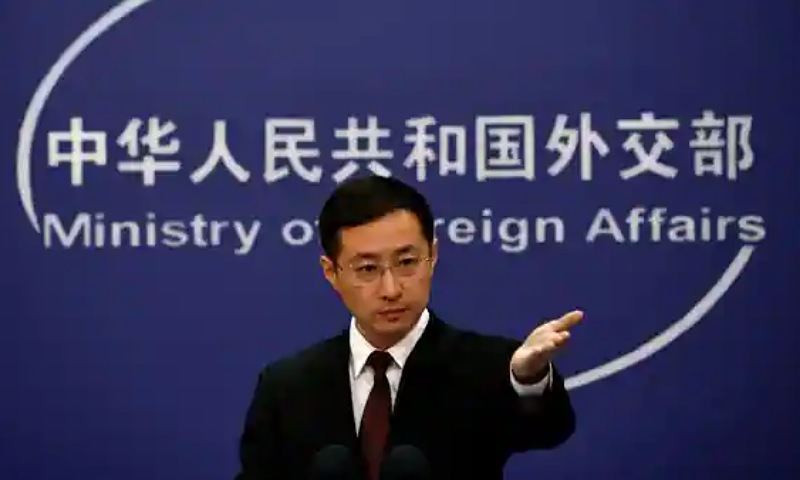
China confirmed it received an invitation from the United States to join President Donald Trump’s Board of Peace. Foreign Ministry spokesperson Guo Jiakun announced this during a regular press briefing in Beijing on January 20, 2026. He provided no details on whether China would accept the offer.
This confirmation followed Trump’s extension of invites to numerous countries. However, global attention focused on Beijing’s response amid ongoing tensions.
Origins of the Board Initiative
Trump first proposed the Board of Peace in September 2025. He aimed to create a global body to resolve conflicts, starting with the Gaza crisis. The board would oversee rebuilding efforts in war-torn areas.
Moreover Trump chairs the board for life. Member nations serve three-year terms unless they pay $1 billion each for extensions. This structure sparked debates about its feasibility.
Invitations Extend Worldwide
The US invited dozens of countries to participate. For instance, Trump confirmed he asked Russian President Vladimir Putin to join. Armenia also received an invitation, as reported by local leaders.
Additionally, the board’s scope may broaden beyond Gaza. It could address other conflicts like the Ukraine war. As a result, nations weigh the benefits against potential commitments.
China’s Cautious Stance
Guo Jiakun emphasized China’s receipt of the invite but stayed silent on acceptance. Analysts suggest Beijing evaluates the proposal carefully. Trade relations and geopolitical rivalries influence this decision.
Furthermore, China maintains a neutral position in many global disputes. However, joining could enhance its diplomatic influence.
Global Reactions to the Proposal
International media covered the invites extensively. Outlets like Reuters and The Times of Israel highlighted the unusual structure. Critics question the board’s effectiveness and funding model. Meanwhile supporters praise Trump’s bold approach to peace. They argue it fosters cooperation among superpowers.
Future Implications for Diplomacy
This initiative tests Trump’s foreign policy vision. If successful, it could reshape conflict resolution worldwide. Yet skepticism remains due to payment requirements.
In conclusion, China’s confirmation adds intrigue to the unfolding story. Observers await Beijing’s final decision as invitations continue.