Osun State is rocked by the results of a forensic audit. Sally Tibbot Consulting brings to light the enormous level of fraud within the civil service payroll. This sparks the underlying issue of corruption.
The Beginning of the Investigation
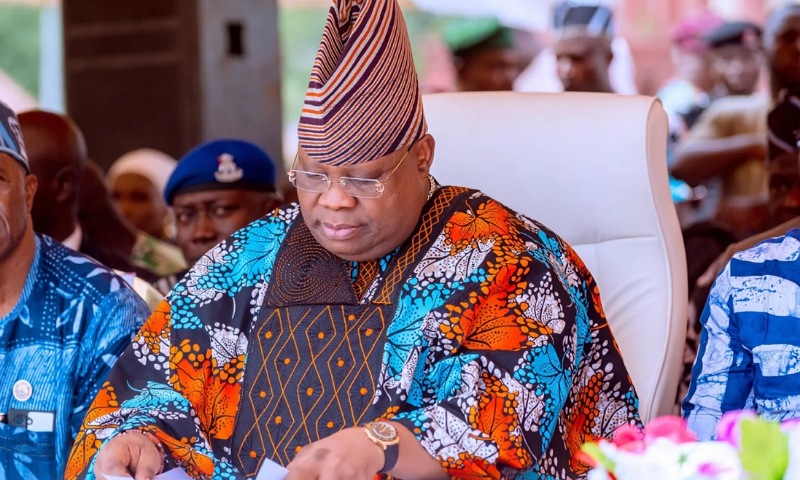
Governor Ademola Adeleke, hires Sally Tibbot Consulting in 2023. The firm embarks on an exhaustive process of verifying the employees of the state. Meanwhlie the company employs sophisticated techniques in their process of verifying the employees.
Additionally, the audit examines bank details and biometric data. Consultants identify discrepancies quickly. This process uncovers thousands of fake entries.
Shocking Numbers Emerge
The report shows 8,452 ghost workers on the payroll. These non-existent employees drain public funds. The state loses over N13.7 billion each year. Furthermore, the firm notes that fraud starts before the audit. Before verification, Osun had 45,851 workers. After checks, only 37,399 remain legitimate.
Heavy Financial Toll
Ghost workers receive salaries monthly. This fraud burdens the state’s budget severely. Resources meant for development vanish into thin air. As a result, essential services suffer. Schools and hospitals lack funding. Citizens bear the cost of this inefficiency.
Accusations Against the Government
Sally Tibbot’s CEO, Sa’adat Bakrin-Ottun, accuses the government of cover up. She claims officials ignore the report. Moreover they allegedly allow continued payments to ghosts.
Moreover the firm demands payment for their services. They call for probes by EFCC and ICPC. This ensures accountability and justice.
Government’s Response
Osun officials dispute the figures. They argue the numbers are inflated. A bickering ensues between the firm and the state. However the government promises action. They vow to clean up the payroll. Yet delays raise public doubts.
Broader Implications for Nigeria
This case mirrors national payroll fraud problems. As a result, ghost workers plague many states. It erodes trust in governance. In conclusion, the audit sparks needed reforms. Nigerians demand transparency. Strong measures can prevent future fraud.