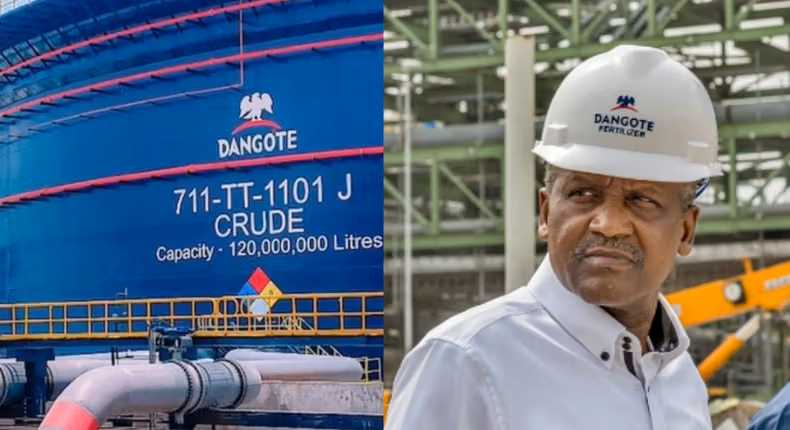

Crude oil prices climbed sharply on Thursday, reaching nearly $84 per barrel—the highest level this year. This figure surpasses Nigeria’s 2026 budget benchmark of $64.85 per barrel.
According to Bloomberg, Brent crude, the global oil benchmark, rose by 12% in the first three days of the week. Meanwhile, West Texas Intermediate (WTI) hovered near $78 per barrel.
Crude oil prices surge is linked to escalating tensions in the Middle East, where the ongoing conflict involving the US, Israel, and Iran has disrupted crude oil supplies to key importing nations.
Key Developments
- Global Oil Prices on the Rise: The conflict in the Middle East continues to drive up oil prices. However, China, the world’s largest oil importer, is taking steps to conserve fuel.
- The Chinese government has instructed major refiners to halt exports of diesel and gasoline to prioritize domestic needs.
- Similarly, an Indian oil processor announced it would suspend product exports earlier this week.
- In Japan, refiners are urging the government to release oil from strategic reserves to stabilize supply.
- Impact on Nigeria: Higher oil prices could boost Nigeria’s government revenue, but the country’s oil production remains below its OPEC quota. Rising crude prices also lead to higher local fuel costs, straining domestic consumption.
- Strait of Hormuz Concerns: The market’s primary focus is on the Strait of Hormuz, a critical waterway for global oil and gas shipments. Traffic through the strait has slowed significantly, disrupting crude supplies from Iran and other Persian Gulf producers. Some producers have even begun shutting down operations due to the bottleneck.
Analyst Perspectives
Experts warn that unresolved tensions in the Middle East could trigger further spikes in global oil prices.
“If there’s another successful attack on an oil tanker or infrastructure, or if disruptions persist, prices could rise sharply again,” said Priyanka Sachdeva, a senior market analyst at brokerage firm Phillip Nova Pte.
David Solomon, CEO of Goldman Sachs Group Inc., echoed these concerns in a Bloomberg Television interview, stating that there is still “a lot of uncertainty” about how the Middle East conflict will unfold.