The Nigerian Federal Government recently amended cybercrime charges against activist Omoyele Sowore. Authorities dropped Meta Platforms Inc. and X Corporation as defendants. This move focuses the case solely on Sowore.
Background of the Charge
Officials arraigned Sowore on December 2, 2025, in Abuja. They accused him of posting statements on social media that called President Bola Tinubu a criminal. The initial charges included five counts under the Cybercrimes Amendment Act of 2024.
Additionally, the government named Meta and X as co-defendants. Prosecutors claimed the platforms hosted the offending posts. However, experts noted this marked a rare attempt to hold foreign tech companies accountable in Nigeria.
Details of the Amendment
On January 19, 2026, the Federal High Court heard the case. Prosecutor A.T. Kehinde informed Justice Mohammed Umar of the changes. The court reduced the counts to two and struck out Meta and X.
Moreover the amended charges center on Sowore’s actions. He allegedly published false information to cause public alarm. The State Security Service had warned him to delete the posts earlier.
Sowore’s Court Appearance
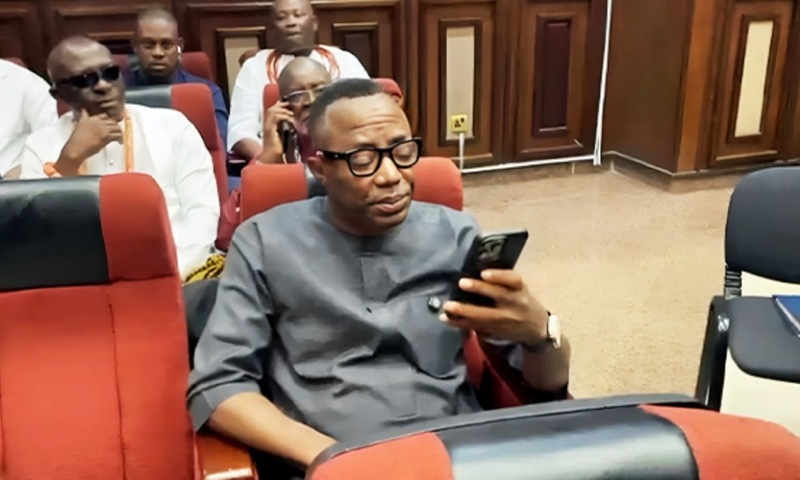
Sowore pleaded not guilty during the rearraignment. His lawyers argued the charges violated free speech rights. The judge granted bail on self recognition and ordered Sowore to avoid statements that threaten peace.
Meanwhile Sowore maintains his innocence. He views the case as political persecution. Supporters rallied outside the court to show solidarity.
Implications for Free Speech
This development raises questions about online expression in Nigeria. Critics argue the government uses cybercrime laws to silence dissent. Therefore, the case highlights tensions between security and rights.
Furthermore, dropping the platforms avoids international complications. Tech giants often resist local content demands. Observers watch how this influences future prosecutions.
Looking Ahead
The trial continues with Sowore as the sole defendant. Legal experts predict debates on evidence and intent. Moreover the outcome may shape Nigeria’s digital landscape.
In conclusion, the government shifted focus to individual responsibility. This change streamlines the case but sparks ongoing discussions about freedom online.