The Federal Government has announced plans to introduce a mandatory vehicle recycling fee from 2026. The policy forms part of wider reforms aimed at modernising Nigeria’s automotive industry and unlocking new revenue streams.
The National Automotive Design and Development Council (NADDC) disclosed this in a statement issued on Sunday. Its Director-General, Joseph Osanipin, said the initiative would operate under a comprehensive End-of-Life Vehicle (ELV) programme already approved for implementation.
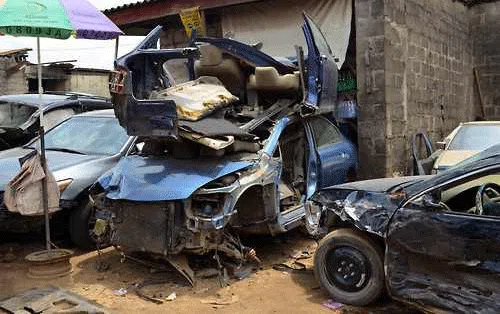
According to him, the policy seeks to formalise the recycling of vehicles that have reached the end of their useful lives. It also aims to address environmental and safety concerns linked to abandoned vehicles.
How the Recycling Fee Will Operate
Osanipin explained that the system would follow practices used in many developed countries. Under the model, vehicle owners make a modest payment during registration to cover disposal costs later.
“In developed countries, when you buy a new vehicle, you pay during registration for its disposal when it reaches the end of its life,” he said.
Furthermore, he noted that the fee would support environmentally responsible dismantling and recycling. However, he acknowledged that public resistance could arise at the early stage.
Circular Economy and Job Creation
The NADDC boss said Nigeria already runs a vibrant informal auto-parts market, popularly known as the Belgian parts market. He attributed its growth to durability concerns around new vehicle components.
Studies by the council show that over 85 percent of parts from end-of-life vehicles remain reusable or recyclable. This, he said, provides a solid base for a formal circular economy.
“If people have alternatives to abandoning vehicles by the roadside, they can turn them in and still earn value,” Osanipin said. He added that the ecosystem could generate billions of naira annually if properly managed.
In addition, the reforms are expected to create thousands of jobs. Opportunities will span dismantling, refurbishing, logistics and component resale.
Import Controls and Future Industry Plans
Osanipin said the reforms would also introduce mandatory pre-export certification for used vehicles imported into Nigeria from 2026. The measure aims to stop the dumping of unroadworthy vehicles.
He stressed that exporters, not Nigerian consumers, would bear the cost of certification.
Meanwhile, the NADDC plans to expand vehicle conversion to electric vehicles and compressed natural gas. The move aligns with the National Automotive Industry Development Plan.
Osanipin described 2026 as a turning point for Nigeria’s automotive sector.