Despite a significant drop in global crude oil prices from $130 to $100 per barrel, petrol prices across Nigeria remain stubbornly high.
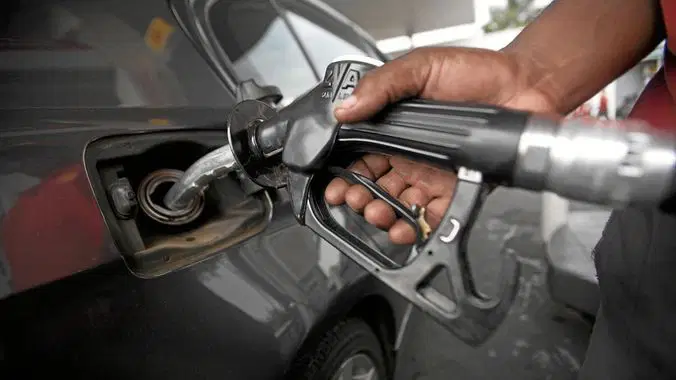
Investigations reveal that oil marketers are still selling Premium Motor Spirit (PMS) at ₦1,300 per litre and above, leaving consumers wondering why relief hasn’t reached the pump.
What’s Driving the Global Price Decline?
The drop in crude oil prices is largely tied to renewed diplomatic talks between the United States and Iran.
There are growing expectations that Iranian oil could soon return to global markets, especially in Asia — increasing supply and pushing prices down.
Why Nigerians Aren’t Feeling the Petrol Impact
Despite this global trend, local pump prices have not changed.
According to findings by Vanguard, marketers in Lagos and surrounding areas have not adjusted their prices to reflect the drop in crude oil costs.
Current Petrol Prices Across Retail Outlets
Checks across filling stations show:
- Petrol selling at ₦1,300+ per litre nationwide
- Some outlets, including MRS, selling as high as ₦1,333 per litre
- Depot prices slightly lower, but not enough to impact retail prices
What Could Be Behind the Price Gap?
The disconnect between falling crude prices and high pump prices may be linked to:
- Exchange rate pressures
- Distribution and logistics costs
- Market speculation and pricing strategies by marketers
- Delays in reflecting global price changes locally
The Bigger Picture
This situation highlights a recurring issue in Nigeria’s fuel market — global price drops don’t always translate to local relief.
For everyday Nigerians, this means continued high transportation costs, increased cost of goods, and ongoing economic pressure.
Even as the global oil market softens, Nigerians are still paying premium prices at the pump.
Until local pricing mechanisms align more closely with global realities, the expected relief may remain out of reach for millions.