
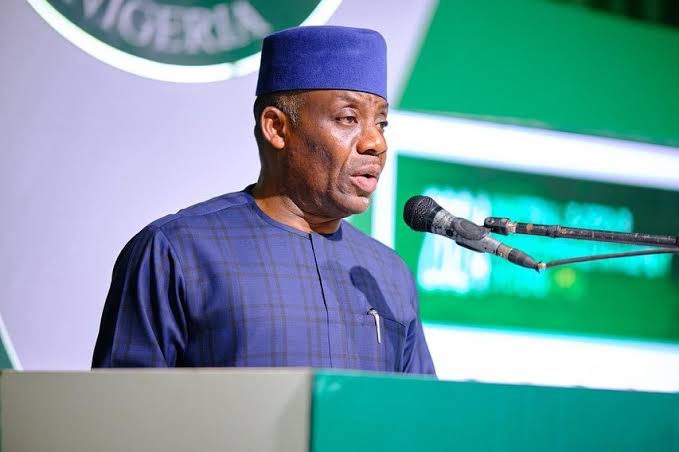
The Federal Ministry of Education has issued a new directive that could reshape teaching standards nationwide.
Under the leadership of Tunji Alausa, all teachers in public and private secondary schools must now be fully registered and licensed by the Teachers Registration Council of Nigeria.
What the New Rule Means
The directive makes it clear:
No valid TRCN license = No teaching job
This applies to:
- Public secondary school teachers
- Private secondary school teachers
- Both new and existing educators
Why the Government Is Enforcing This
The TRCN certification policy aims to tackle a long-standing issue in Nigeria’s education system — unqualified individuals teaching in classrooms.
According to the Federal Ministry of Education, the move will:
- Improve teaching quality
- Ensure professional standards
- Protect students from poor education
What is TRCN and Why It Matters
The Teachers Registration Council of Nigeria is the official body responsible for regulating the teaching profession in Nigeria.
To be earn TRCN certification, teachers must:
- Meet minimum academic qualifications
- Pass required professional assessments
- Be officially registered and licensed
Implications for Schools and Teachers
For Teachers:
- Unlicensed teachers must regularize their status immediately
- Risk of losing jobs if they fail to comply
For Schools:
- Must ensure all staff are TRCN-certified
- Could face sanctions for non-compliance
A Step Toward Better Education Standards
This directive aligns with broader efforts to:
- Professionalize teaching in Nigeria
- Raise education quality nationwide
- Align with global best practices
The message from the Federal Ministry of Education is loud and clear:
Teaching is no longer just a job — it’s a regulated profession.
With Tunji Alausa pushing this reform, Nigeria could be entering a new era where only qualified teachers shape the future of students.