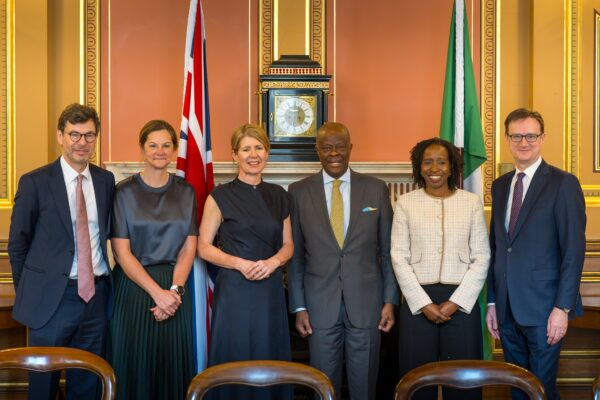
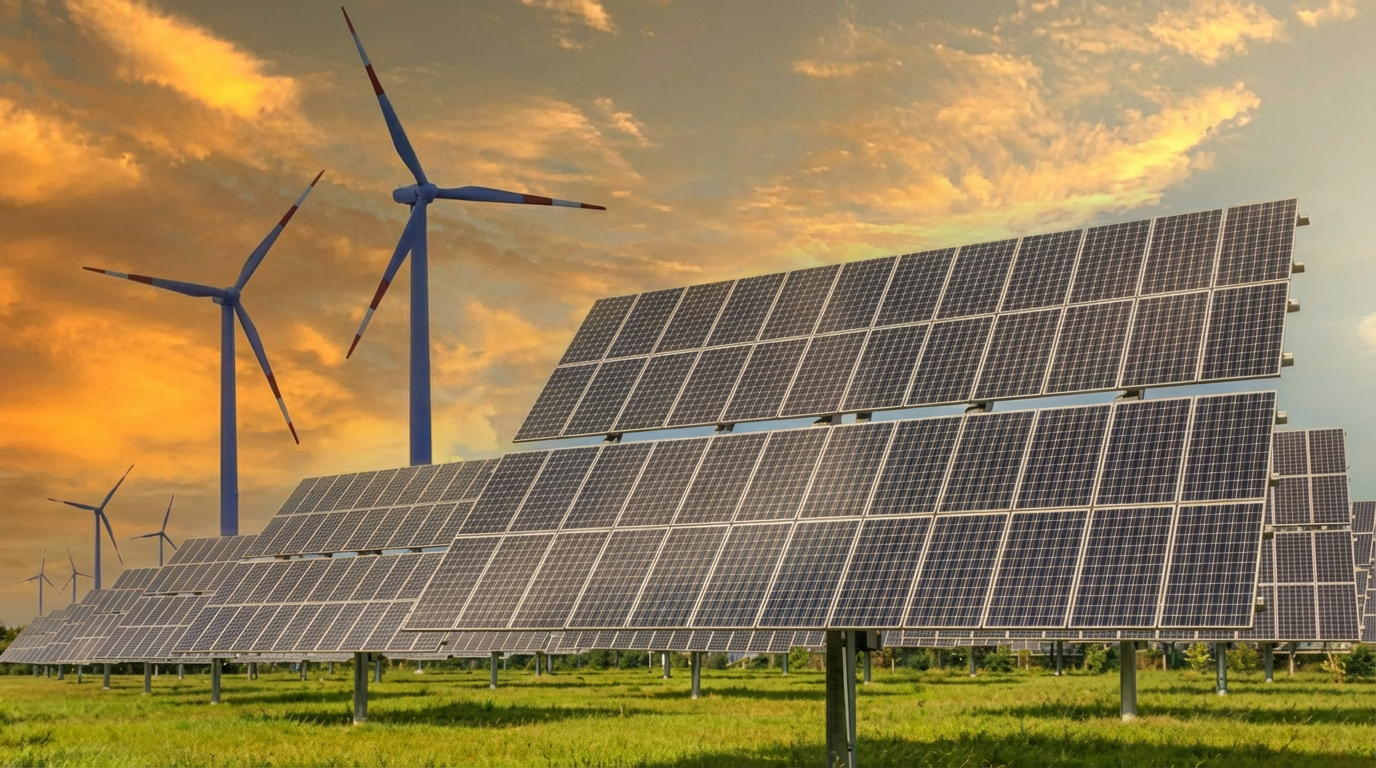
Starsight Energy Africa Group has secured $15 million in mezzanine debt financing from British International Investment to scale its renewable energy solutions across Africa, with a strong focus on Nigeria.
The funding will support the deployment of sustainable power systems. Helping businesses reduce reliance on diesel generators and transition to cleaner, more cost-effective energy sources.
Driving Nigeria’s Renewable Energy Shift
The investment comes at a critical time as Nigeria continues to grapple with energy challenges. By expanding solar and hybrid power solutions, Starsight aims to provide more reliable electricity while cutting operational costs for companies.
This move also aligns with broader global efforts to promote clean energy and reduce carbon emissions.
Transport Costs Surge Across Nigeria
While progress is being made in the energy sector, many Nigerians are facing a different kind of crisis—soaring transportation costs.
Commuters across the country are expressing frustration as rising fuel prices continue to drive up daily travel expenses. Thus making it increasingly difficult to afford basic movement.
“Transport Now Feels Like a Luxury”
Many residents say the amount they now spend on transportation has become extreme. Some have even compared their monthly transport costs to what could once be used to buy land or start building a home.
This reflects the growing economic pressure on households. Where income levels are struggling to keep up with inflation and rising living costs.
A Tale of Two Realities
The contrast is striking: while investments like the $15 million renewable energy deal signal long-term progress and innovation, everyday Nigerians are dealing with immediate financial strain.
On one hand, there’s hope for a more sustainable and efficient energy future. On the other, the rising cost of living—especially transport—continues to weigh heavily on citizens.
What Lies Ahead
As Nigeria pushes forward with clean energy investments, addressing the short-term economic challenges facing citizens will remain crucial.
Balancing long-term development with immediate relief for everyday Nigerians could define how impactful these investments truly become.