The Indigenous People of Biafra (IPOB) enforced a Monday sit-at-home order in Anambra State and other South-East areas. The group aimed to protest the continued detention of its leader, Nnamdi Kanu. Many residents and traders observed the order.
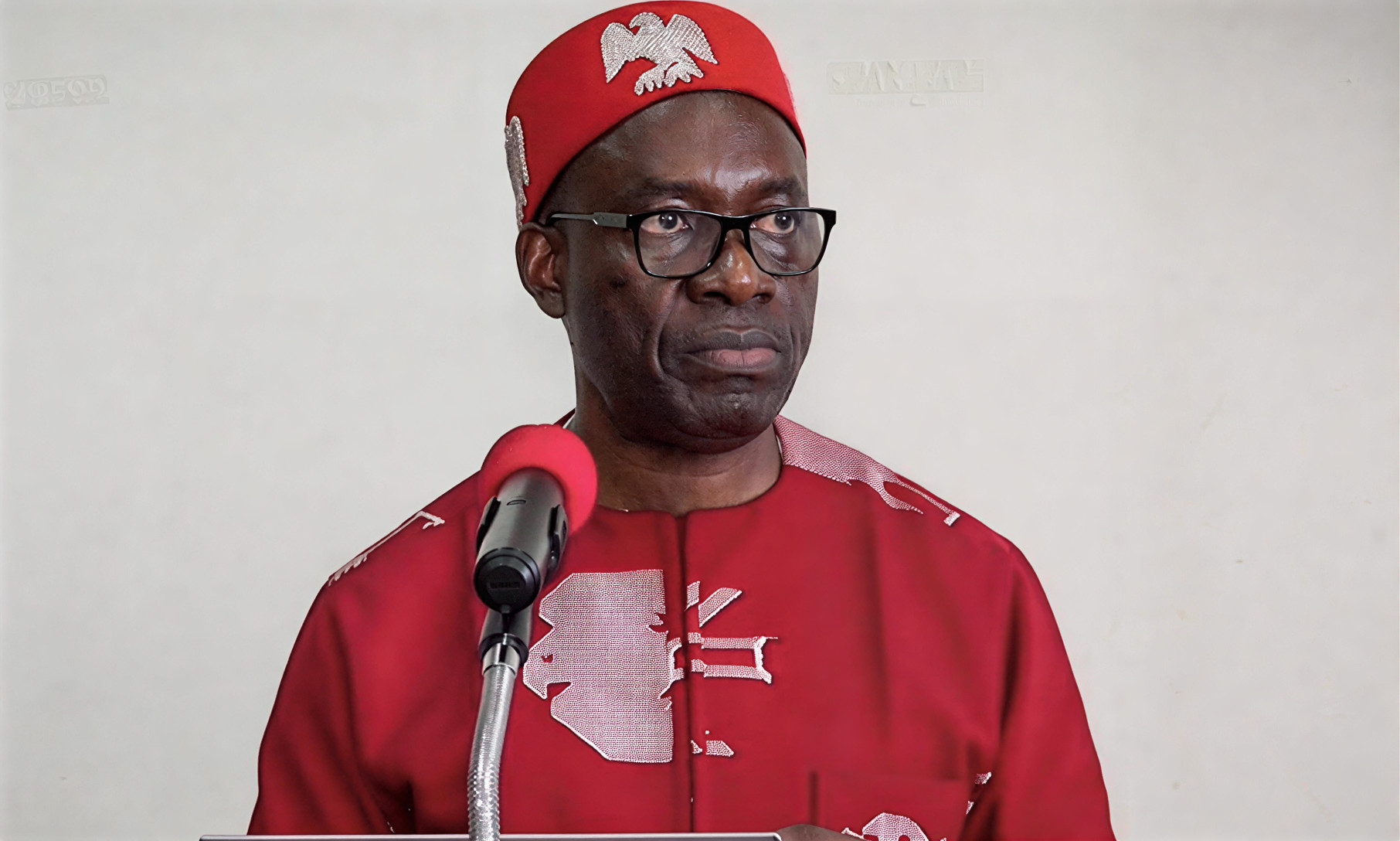
As a result, shops, markets, and schools often stayed closed on Mondays. This practice disrupted economic activities. Governor Charles Soludo repeatedly directed businesses to open on all days. He described the sit-at-home as economic sabotage.
Soludo Orders Market Closure
On January 26, 2026, Governor Soludo visited Onitsha Main Market. He observed that many stalls remained locked despite government assurances of better security. Traders cited fear as the reason for closure.
Soludo then ordered the immediate shutdown of the market for one week. Security forces from police and army sealed the gates. They secured the perimeter to enforce the decision. Soludo warned that the closure could extend to one month if traders failed to reopen.
He stated, “The government cannot stand by while a few individuals willfully undermine public safety and disregard official directives meant to restore normalcy. This is plain economic sabotage. We are not going to allow this.” He added, “You either decide that you are going to trade here or you go elsewhere. I am very serious about this.”
IPOB Directs Traders to Reopen
Later on January 26, IPOB issued a statement through its spokesman, Emma Powerful. The group directed traders and residents in Anambra State to resume business on January 27, 2026. IPOB urged them to open shops and markets in Onitsha, Nnewi, Awka, and other areas.
The statement declared, “The IPOB hereby declares that tomorrow, January 27, 2026, our people in Anambra State shall resume their legitimate business activities and open their shops and markets.”
“This action is not in defiance of any gubernatorial order but in the exercise of their God-given right to pursue their daily livelihoods according to their preferences and necessities.” Additionally IPOB emphasized that traders built their businesses without government support.
Warnings and Calls for Kanu’s Release
IPOB warned Soludo against using force to block business activities. The statement cautioned, “Before embarking on any perilous path tomorrow, such as deploying soldiers from the Onitsha barracks to infringe upon our rights to conduct business as we deem fit, Governor Soludo must carefully weigh the consequences. Any arrests, harassment, or bloodshed will signal the beginning of the end for those who oppose the will of the people.”
IPOB also renewed its demand for Nnamdi Kanu’s unconditional release. The group argued that his freedom would restore peace and normalcy in the South-East. However the statement stressed that IPOB sought no confrontation with state authorities. Instead it called for respect toward the people’s wishes.