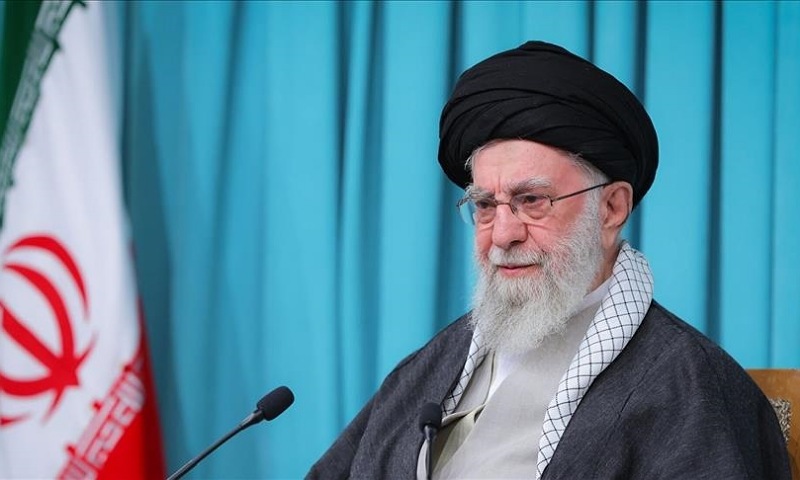
Iran’s Supreme Leader Ayatollah Ali Khamenei issued a strong warning on Sunday. He stated that any U.S. attack on Iran would trigger a widespread conflict.
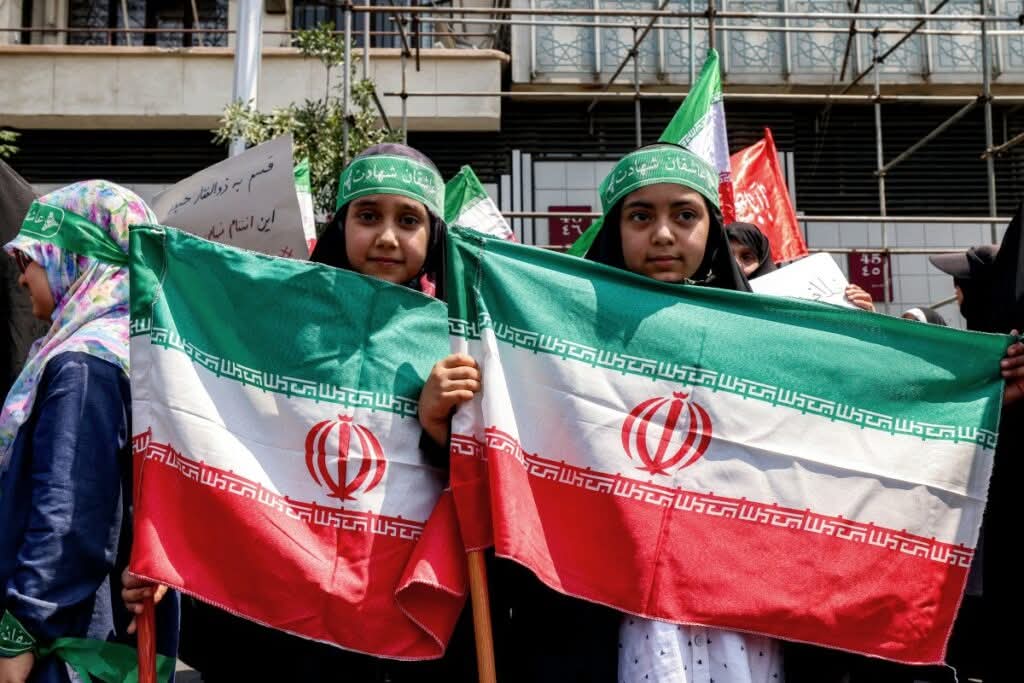
Khamenei told crowds in Tehran that “the Americans should know that if they start a war, this time it will be a regional war.” Additionally he accused the U.S. of seeking to control Iran’s oil and natural gas resources.
Khamenei emphasized Iran’s defensive stance. He declared that “we are not the initiators and do not want to attack any country, but the Iranian nation will strike a strong blow against anyone who attacks and harasses them.” However he dismissed U.S. military deployments as ineffective threats.
Background of the Conflict
Tensions rose after Iran cracked down on nationwide protests. U.S. President Donald Trump threatened military action in response. Trump deployed the aircraft carrier USS Abraham Lincoln and other warships to the Arabian Sea.
Meanwhile Khamenei labeled the protests a “coup.” This crackdown drew international criticism. As a result, the U.S. built up forces in the Gulf region.
U.S. Response
Trump addressed Khamenei’s remarks directly. He told reporters that “we’ll find out” if the Supreme Leader was correct about a regional war. Trump expressed hope for a deal with Iran.
Additionally Trump conceded that Iran engaged in serious talks with the U.S. moreover he maintained pressure through military presence.
International Reactions
Israel coordinated closely with the U.S. on potential actions against Iran. Israeli media reported that IDF Chief Zamir discussed strategies with American officials.Meanwhile both sides noted progress in nuclear talks. However experts viewed the situation as highly volatile.
Iran’s Retaliatory Measures
Iran’s parliament took decisive action. It designated European Union armies as “terrorist groups.” This move retaliated against similar labels on Iranian forces.
Furthermore Khamenei warned that U.S. bases in neighboring countries would face attacks if conflict erupted. As tensions mounted, naval drills loomed in the region.
The standoff highlighted deep divisions. Leaders on both sides exchanged barbs, but diplomacy remained a faint possibility.