
Japan faces a sharp rise in bear attacks this year. Authorities report over 100 injuries and at least 12 deaths since April. Most incidents occur in the northern prefecture of Akita and nearby Iwate. As a result, local communities feel threatened and seek urgent help.
Moreover bear sightings have jumped dramatically. In Akita, officials note over 8,000 sightings, six times more than usual. This increase forces schools to close temporarily and disrupts daily life.
Factors Driving Bear Behavior
Climate change plays a key role in this crisis. Warmer winters delay hibernation, and poor acorn harvests push bears to seek food in human areas. In addition, rural depopulation leaves more space for wildlife to encroach.
Furthermore last year’s abundant food led to more cubs. Now these young bears forage aggressively amid dwindling supplies. Consequently attacks happen in unexpected places like supermarkets and bus stops
Military Deployment Steps In
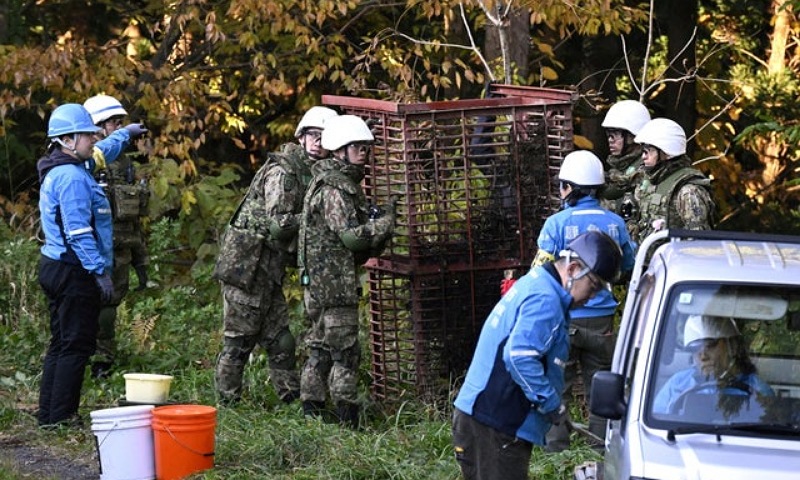
The government responds decisively. Troops from the Ground Self-Defense Force deploy to Akita starting November 5, 2025. They transport traps, set them up, and inspect them. However soldiers do not cull bears, licensed hunters handle that task.
In addition, the operation covers cities like Kazuno, Odate and Kitaakita until late November. Local leaders request this aid as existing measures fall short.Broader Impacts and Future Plans
Communities suffer from fear and exhaustion. Riot police now shoot bears in residential zones when needed. Nevertheless, hunter numbers decline due to aging populations.
Looking ahead
Officials plan emergency measures. They recruit more hunters and relax gun rules. Additionally, experiments with AI cameras and drones aim to deter bears. Ultimately these steps seek to restore safety and balance with nature.