
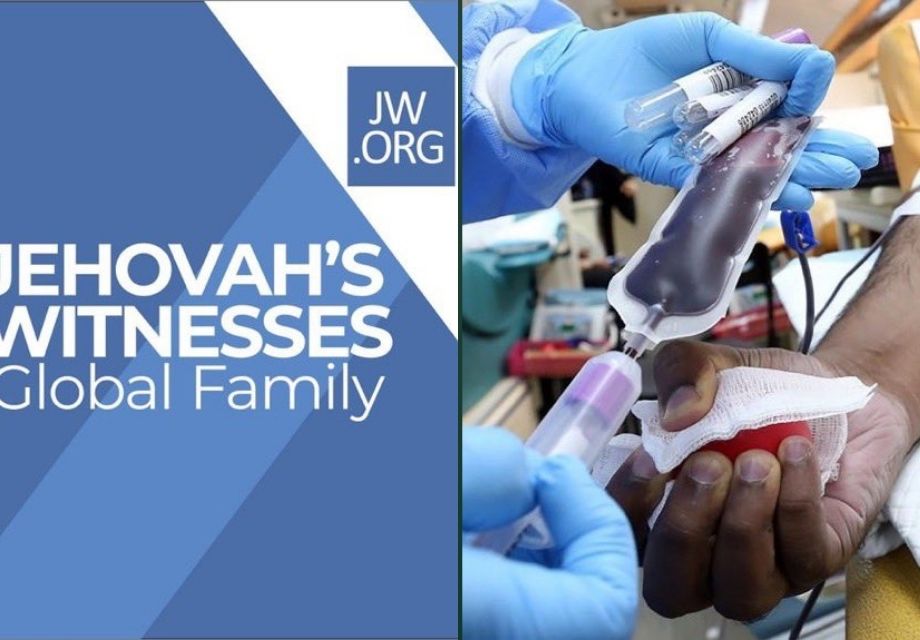
In a significant and historic move, Jehovah’s Witnesses have announced a major update to one of their most well-known teachings on medical care.
For the first time in over 75 years, members are now permitted to store and use their own blood for surgical procedures, marking a notable shift in the religion’s long-standing stance on blood transfusion.
Understanding the Previous Ban
For decades, Jehovah’s Witnesses have been widely recognized for their refusal of blood transfusions, based on deeply held religious beliefs.
This doctrine has often influenced medical decisions, especially during surgeries or emergency treatments, where alternative “bloodless” procedures were typically preferred.
What Has Changed?
The new guidance introduces a key distinction:
- Members may now store their own blood in advance
- That stored blood can be used during their own surgeries
This represents a move toward greater flexibility, while still maintaining core religious principles around the use of blood.
What This Means for Medical Care
This development could have a major impact on how Jehovah’s Witnesses approach healthcare, particularly in surgical settings.
Potential benefits include:
- Increased safety during complex procedures
- More options for doctors and patients
- Reduced medical risks associated with strict limitations
It may also ease longstanding tensions between healthcare providers and patients over treatment decisions.
Balancing Faith and Modern Medicine
The change suggests an evolving approach within Jehovah’s Witnesses, as the group navigates the intersection of faith and modern medical advancements.
While the core belief regarding blood remains important, this update shows a willingness to adapt in ways that prioritize members’ health and well-being.
Reactions and Broader Implications
The announcement is likely to spark discussions both within and outside the religious community.
Observers see it as:
- A significant doctrinal evolution
- A potential step toward further reforms
- A move that could influence similar discussions in other faith groups
After more than seven decades, this decision marks a turning point for Jehovah’s Witnesses worldwide.
By allowing the use of stored personal blood, the religion is opening a new chapter—one that blends tradition with a more flexible approach to life-saving medical care.