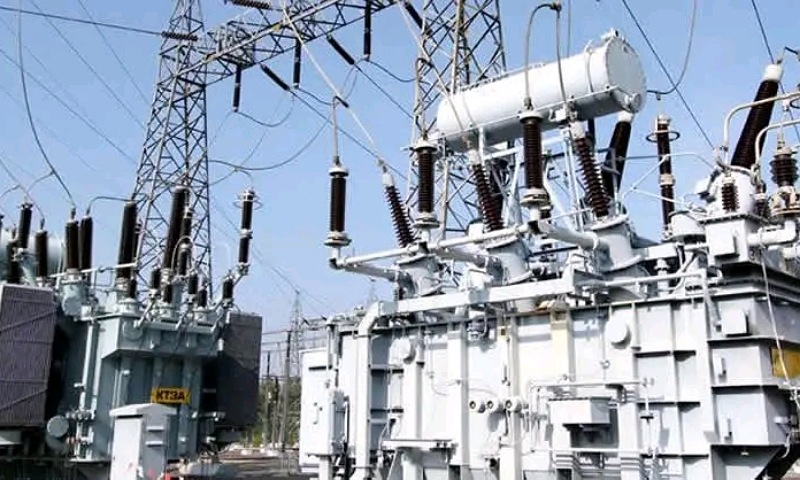
Nigeria’s national power grid failed once more on January 23, 2026. Power generation plummeted from over 4,500 megawatts to just 24 megawatts by 1:30 pm. This marked the first grid collapse of the year and left millions without electricity.
All 23 power plants connected to the grid lost output during the event. As a result, the 11 electricity distribution companies received zero allocation. The incident disrupted daily life across the country.
Causes Behind the Failure
Experts point to aging infrastructure as a key factor. Overloaded transmission lines often trigger such breakdowns. Additionally, insufficient maintenance worsens the problem.
Gas supply shortages to power plants contribute significantly. Vandalism and technical faults also play roles. Furthermore, rapid demand growth strains the system beyond capacity.
Immediate Impacts
Households faced sudden blackouts. Businesses halted operations and incurred losses. Hospitals relied on generators to keep services running.
Schools and offices closed early in affected areas. Traffic lights failed, causing chaos on roads. Moreover, communication networks suffered interruptions.
Government and Stakeholder Responses
The Nigerian Independent System Operator confirmed the collapse. Teams worked quickly to restore power. However, full recovery took hours in some regions.
The Minister of Power promised investigations. Stakeholders called for urgent reforms. Additionally, citizens expressed frustration on social media.
Looking Ahead: Solutions and Challenges
Authorities plan to upgrade the grid with new investments. Renewable energy sources could reduce reliance on gas. Furthermore, better monitoring systems might prevent future collapses.
Challenges remain, including funding shortages. Corruption allegations hinder progress. As a result, experts urge transparent policies to build a stable power sector.
Nigeria has endured multiple grid failures in recent years. The December 2025 collapse echoed similar issues. Now leaders must act decisively to ensure reliable electricity for all.