
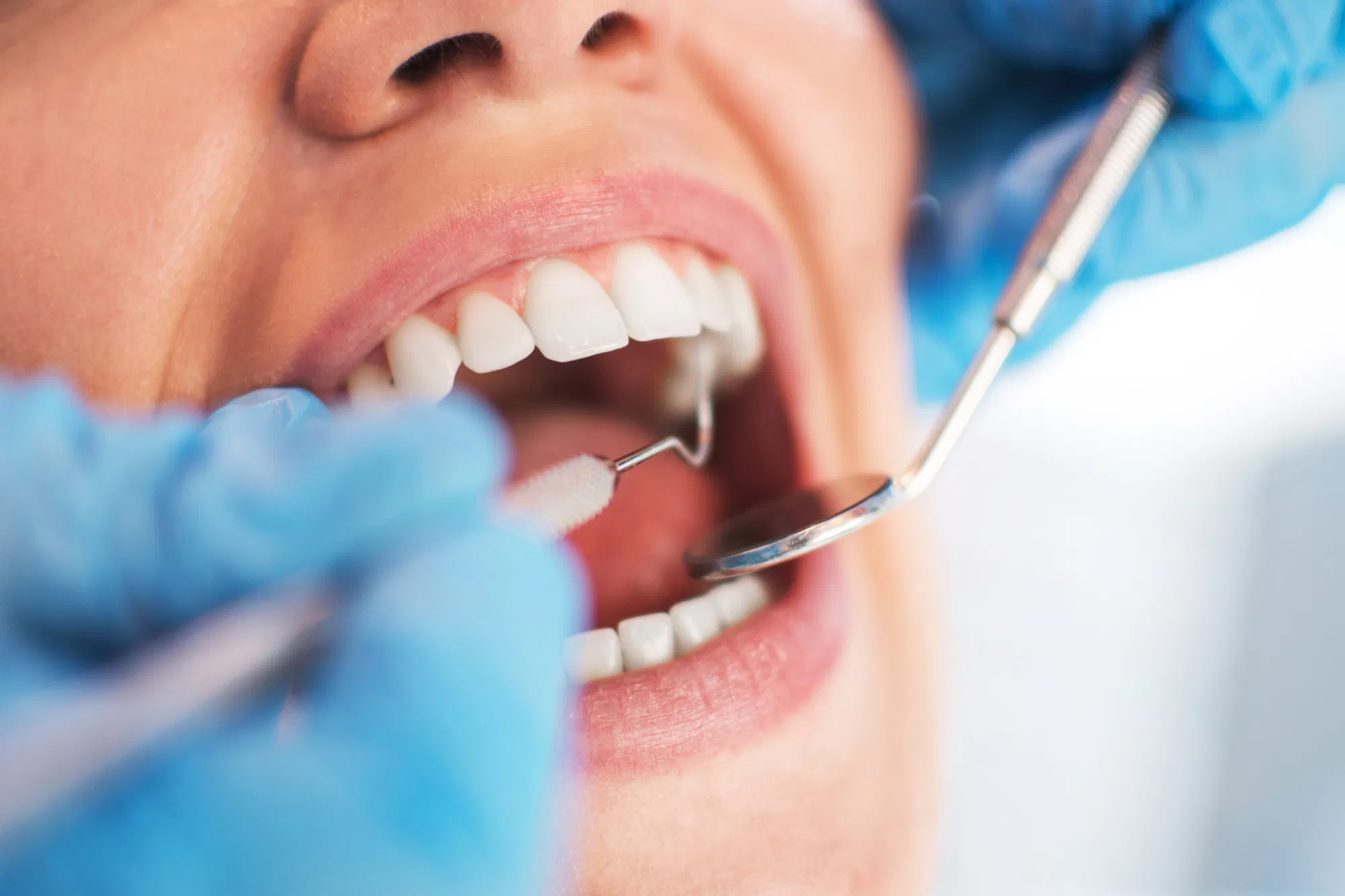
NDA urges stronger oral health policies
The Nigerian Dental Association (NDA) has called for urgent reforms in oral health policy and better access to healthcare across the country. The association also urged stronger national strategies to address noma, trauma-related conditions, and other preventable diseases affecting vulnerable communities.
The call was made on Tuesday in Abuja during the 2025 National Oral Health and Noma Day and Diagnostic Conference, organized by the Federal Ministry of Health and Social Welfare in partnership with Médecins Sans Frontières (MSF), the World Health Organisation (WHO), and other health bodies.
Children at risk from preventable diseases
NDA President Tope Adeyemi said Nigeria faces serious oral health challenges worsened by poor living conditions, lack of childhood immunization, and inadequate access to potable water. He warned that many children remain vulnerable to preventable illnesses due to malnutrition, poor sanitation, and limited healthcare access.
He noted that the absence of immunization and safe drinking water increases susceptibility to oral diseases, malaria, and other childhood ailments. Malaria, he added, remains one of the fastest-progressing illnesses affecting Nigerian children, often causing complications that heighten mortality risks.
Digital health campaigns and awareness
Mr. Adeyemi highlighted the NDA’s role in leading online health awareness campaigns. Programs like “Talk With a Dentist” and global events such as World Online Health Day help educate Nigerians on oral care and disease prevention.
He also cited Nigeria’s participation at the International Data Transition API World Data Conference in Shanghai in September 2025. The engagement aimed to deepen collaboration on digital health, disease management, and innovation.
Trauma, insecurity, and workforce challenges
The association expressed concern about rising trauma cases in communities affected by insecurity. Mr. Adeyemi said insecurity disrupts healthcare access, delays treatment, and worsens outcomes, especially in remote areas.
He also warned that Nigeria continues to lose dental professionals to brain drain, leaving rural communities with severe workforce shortages. Improving healthcare worker welfare, he added, is critical to retaining skilled dentists and ensuring nationwide oral health services.
Call for multidisciplinary policies
The NDA urged full implementation of the National Oral Health Policy to strengthen trauma care, noma control, and broader oral healthcare delivery. Mr. Adeyemi emphasized integrating trauma services into routine care, expanding facility access, and equipping primary health centers to meet community needs.
He encouraged a multidisciplinary approach, driven by global health strategies, to achieve national targets for oral health and noma elimination.
Understanding noma
Noma is a rapidly progressing gangrenous infection of the mouth and face, mainly affecting malnourished children in extreme poverty. Without urgent medical attention, it can destroy facial tissues within days, causing severe disability or death.
Although prevalent in sub-Saharan Africa, cases have occurred in the United States, Southeast Asia, and South America. Experts estimate 30,000 to 40,000 cases annually, with survivors facing lifelong complications. In Nigeria, noma is concentrated largely in northern regions with widespread poverty, malnutrition, and limited healthcare access.