
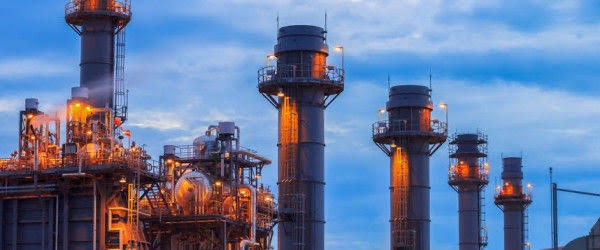
Nigeria’s electricity situation could deteriorate further in the coming weeks as gas suppliers have reportedly stopped supplying gas to several thermal power plants due to an estimated ₦3.3 trillion debt owed by power generation companies.
The development disclosed by Joy Ogaji, Chief Executive Officer of the Association of Power Generation Companies. Who warned that the situation could significantly worsen the country’s already fragile electricity supply.
Mounting Debt Threatens Power Supply
According to industry stakeholders, the debt has accumulated over several years due to payment shortfalls within Nigeria’s electricity value chain. Power generation companies (GenCos) say they have not fully paid for the electricity they produce. Making it difficult for them to settle their obligations with gas suppliers.
Because most of Nigeria’s electricity generated using gas-fired thermal plants. Any disruption in gas supply immediately affects electricity generation nationwide.
Risk of Worsening Nationwide Blackouts
Energy experts warn that if the supply disruption continues. The country could experience longer power outages and reduced electricity generation capacity.
Nigeria already struggles with a persistent electricity deficit. With many households and businesses relying heavily on generators due to unreliable grid supply.
The halt in gas suppliers could further reduce the output of power plants connected to the national grid, worsening blackouts across Nigeria.
Structural Issues in the Power Sector
The crisis highlights deeper structural challenges within Nigeria’s electricity sector. Including tariff shortfalls, liquidity issues, and delays in government payments to electricity providers.
Industry stakeholders have repeatedly warned that without urgent financial intervention and reforms, the power sector could face further instability.
Calls for Urgent Government Intervention
Power generation companies are now urging the federal government to intervene quickly to settle outstanding debts and restore gas supply to thermal plants.
Analysts say resolving the issue is critical not only for stabilizing electricity suppl. But also for restoring confidence among investors in Nigeria’s energy sector If no immediate solution is reached. Experts fear the country could face a more severe electricity shortage in the coming weeks, further affecting businesses, economic productivity, and everyday life for millions of Nigerians.