Electricity supply has been restored nationwide after Nigeria’s power grid suffered a system disturbance on Monday, which resulted in a partial collapse, the Nigerian Independent System Operator (NISO) has confirmed.
According to the operator, the disruption occurred at 2:01 p.m. on December 29, and it affected electricity supply in several parts of the country.
Generation dropped sharply
Before the disturbance, power generation peaked at about 4,800 megawatts earlier in the day. However, by 3 p.m., generation had dropped sharply to 139 megawatts, triggering widespread outages.
As a result, many homes and businesses experienced sudden power cuts across multiple regions.
NISO explains cause
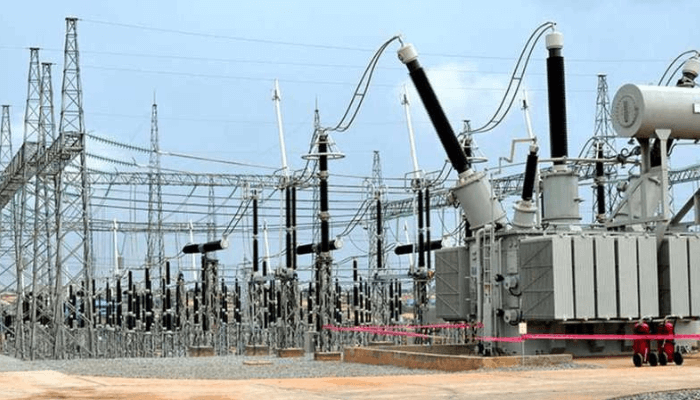
In a statement issued Monday night, NISO said the disturbance caused multiple power generation units and key 330-kilovolt transmission lines to trip.
Specifically, the operator explained that the tripping of these facilities led directly to the partial collapse of the national grid.
Gas shortages worsened impact
Meanwhile, NISO said ongoing gas supply constraints further weakened the grid. These shortages followed the vandalisation of the Escravos–Lagos gas pipeline, which reduced fuel supply to several thermal power plants.
Consequently, the incident exposed existing vulnerabilities within the national grid.
Delta plant sustained supply
Despite the collapse, the Delta Power Generation Complex isolated itself from the grid and continued operations in island mode. As a result, the plant supplied electricity to parts of Delta and Edo states.
According to NISO, four units at the Delta Thermal Power Station delivered about 114 megawatts to Oghara, Amukpe, Benin, and Efunrun substations.
Emergency response activated
Immediately after the incident, NISO activated emergency response measures at the National Control Centre in Osogbo. Furthermore, the operator deployed dispatch and monitoring tools to stabilise the system.
Consequently, power supply began to return gradually across the country.
Investigations ongoing
Following restoration efforts, NISO confirmed that electricity supply had returned nationwide and system stability had normalised.
Meanwhile, the operator said investigations are ongoing to determine the cause of the disturbance and prevent future occurrences.
NISO reassures Nigerians
In recent years, Nigeria’s power grid has suffered repeated collapses, often linked to gas shortages, ageing infrastructure, and operational constraints. However, NISO said it remains committed to improving reliability.
Accordingly, the agency reassured Nigerians of proactive grid management and the continued application of best operational practices.