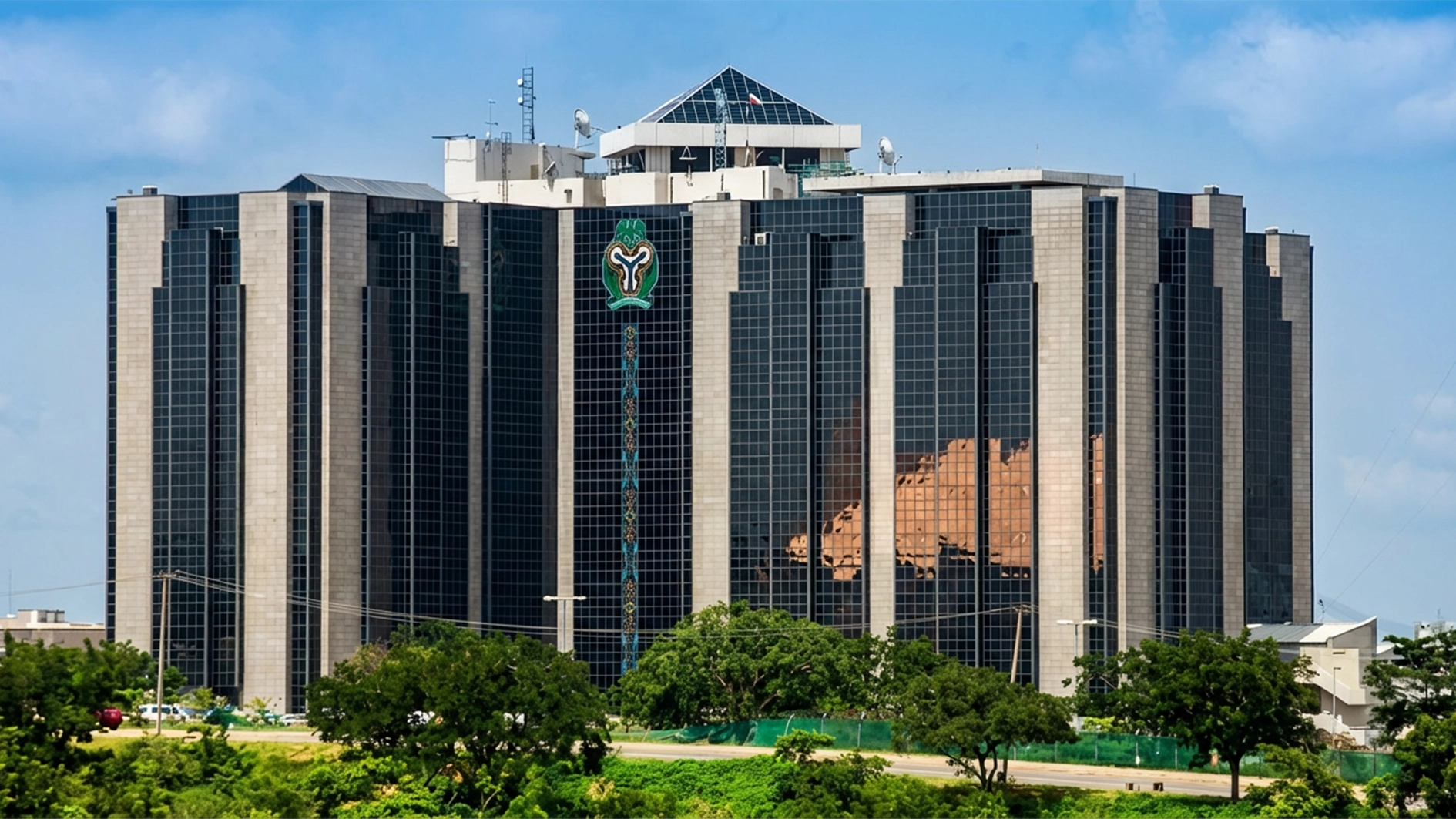
Nigerian deposit money banks are beginning to reduce the interest rates offered on savings accounts, signaling a ripple effect from recent monetary policy shift by the Central Bank of Nigeria.
The adjustment follows a cautious easing of the Monetary Policy Rate (MPR). A key benchmark that influences how banks set lending and deposit rates across the economy.
What the MPR Change Means
The MPR is essentially the interest rate at which the Central Bank of Nigeria lends to commercial banks. When it is reduced or eased, borrowing becomes slightly cheaper for banks. Which in turn affects how much they pay customers who save money.
With this latest adjustment, banks are now gradually lowering the returns on savings accounts, aligning with the new monetary environment.
Impact on Savers
For everyday Nigerians, this means lower earnings on money kept in savings accounts. While the changes may seem small at first, they can significantly affect long-term savings. Especially for individuals who rely on interest income.
In simple terms, your money will still be safe in the bank—but it may not grow as quickly as before.
Why Banks Are Adjusting Rates
Banks typically respond to policy changes to protect their margins and remain competitive. As borrowing costs shift, they adjust both lending rates and deposit rates to maintain balance.
This move also reflects a broader effort to stabilise the economy, control inflation, and encourage spending and investment rather than just saving.
What You Should Watch Going Forward
The reduction in savings rates could push more Nigerians to explore alternative investment options such as fixed deposits, treasury bills, or other financial instruments with potentially higher returns.
However, it also underscores the importance of staying informed about policy changes from the Central Bank of Nigeria, as these decisions directly impact personal finances.
The Bigger Picture
While lower savings rates may not be good news for depositors, they are often part of a larger economic strategy. If managed well, the policy shift could stimulate economic growth by encouraging borrowing, business expansion, and consumer spending.
For now, the message is clear: Nigeria’s financial landscape is evolving—and savers will need to adapt.