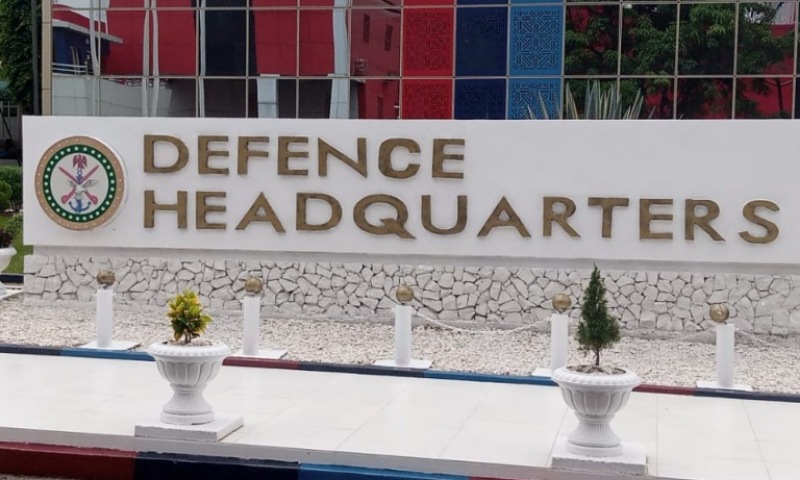
The Nigerian Defence Headquarters refuted assertions by United States Africa Command head General Dagvin R.M. Anderson. He claimed American troops deployed to Nigeria for counterterrorism support. This denial sparked debates on foreign military involvement.
US Commander’s Announcement
General Anderson revealed the deployment during a Tuesday briefing. He stated, “That has led to increased collaboration between our nations to include a small US team that brings some unique capabilities from the United States.” Furthermore he emphasized Nigeria requested the assistance to address evolving threats.
The general described the mission as advisory. He added, “Our partnership with Nigeria is a great example of a willing and capable ally that requested unique capabilities only the United States can provide.” This followed mutual agreements on enhanced cooperation.
DHQ’s Firm Denial
Defence Headquarters Director Major General Samaila Uba issued a statement on Thursday. He clarified no US troops deployed in Nigeria. Additionally he stressed partnerships focused on capacity building and intelligence sharing without foreign forces on soil.
Major General Uba stated, “The Armed Forces of Nigeria wishes to state that Nigeria maintains a long standing and structured security partnership with the United States.” He reassured citizens that all engagements respected sovereignty.
Minister’s Confirmation
Defence Minister Christopher Musa acknowledged US personnel presence in interviews. He explained they provided non-combat advisory support. Moreover he noted the team aided intelligence and training.
Minister Musa stated, “Their role is purely supportive.” He declined details on team size or location for security reasons.
Broader Context
The statements followed recent US airstrikes in Nigeria on December 25, 2025. Insurgencies by Boko Haram and ISWAP persisted in northern regions.
Public reactions varied. Some expressed sovereignty concerns, while others supported enhanced counterterrorism efforts. In conclusion, the government emphasized transparent partnerships aligned with national interests.