
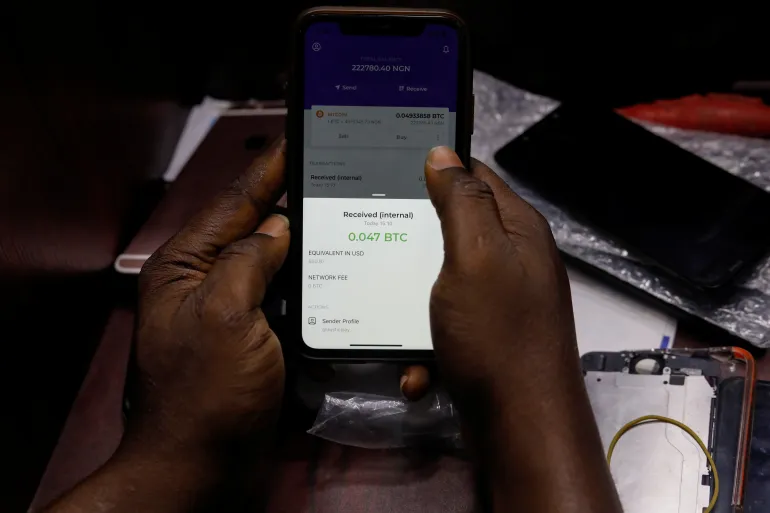
Months after over 600,000 Nigerians lost N1.3 trillion in the fraudulent Ponzi scheme CBEX, thousands more have been scammed by another digital platform, EMAAR. Many investors, scattered across the country, shared stories of regret, financial loss, and frustration.
Unlike CBEX, EMAAR posed as a real estate company but existed mostly online. With no physical offices or traceable locations, the scammers operated freely, making it almost impossible for victims to recover their funds.
How Nigerians Were Scammed by CBEX
The CBEX scam targeted investors with promises of high returns through cryptocurrency trading. Despite warnings from authorities, many Nigerians invested large sums, lured by quick-profit schemes. By the end of the Ponzi collapse, losses totaled over N1.3 trillion, leaving countless investors in financial distress.
EMAAR: Another Scam Targeting Nigerians
Following CBEX’s collapse, EMAAR emerged, exploiting the same trust Nigerians placed in digital investment platforms. Investors were misled into believing EMAAR was a legitimate real estate venture. Instead, the platform collected funds without delivering any returns, leaving victims empty-handed.
How Investors Lost Millions
Victims reported transferring money into EMAAR wallets, expecting profitable real estate deals. However, withdrawals were blocked, and support channels were unresponsive. “I trusted the company because it seemed professional online,” one investor said. “Now I’ve lost everything I invested.”
Lessons for Nigerians to Avoid Scams
Authorities and experts advise caution when dealing with online investment platforms. Investors should:
- Verify company registration and physical addresses.
- Avoid schemes promising unrealistically high returns.
- Consult financial experts before investing.
- Report suspicious platforms to the Securities and Exchange Commission (SEC) or consumer protection agencies.
Conclusion
The CBEX and EMAAR scams highlight the need for stricter regulations in Nigeria’s digital investment space. Without proper oversight, fraudulent platforms continue exploiting unsuspecting investors. Nigerians must remain vigilant, verify investment opportunities, and demand accountability to prevent future financial losses.