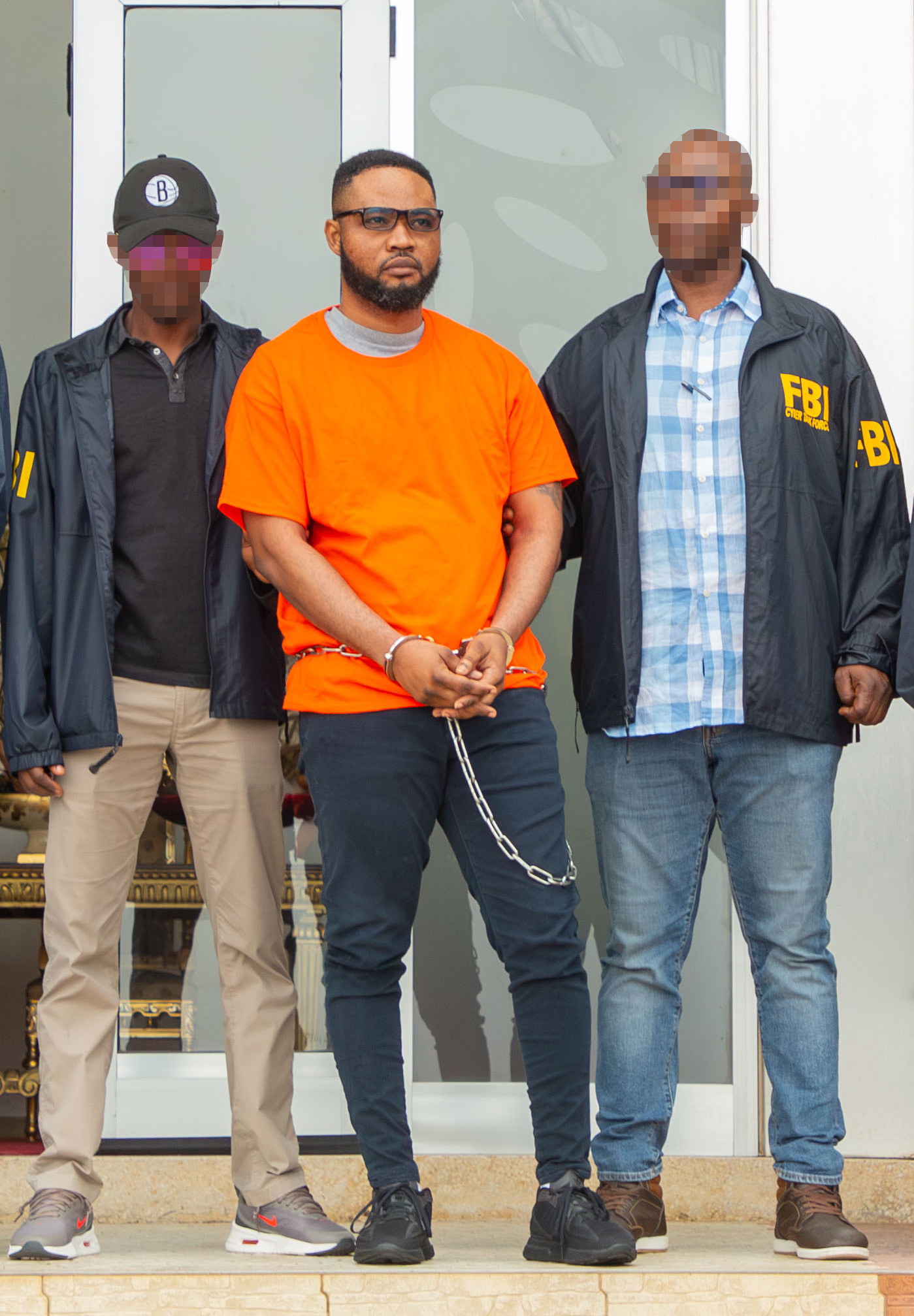
Bolivian police captured Sebastian Enrique Marset Cabrera, a 34-year-old Uruguayan drug trafficker, during a dawn raid on March 13, 2026, in Santa Cruz de la Sierra. The operation mobilized hundreds of officers from the Special Force for the Fight Against Drug Trafficking and the Bolivian UTOP. Authorities arrested Marset in the Las Palmas neighborhood along with four other individuals. No injuries or deaths occurred during the operation.
Immediate Transfer to U.S. Custody
Hours after his capture, Bolivian authorities transferred Marset to the United States. Marco Antonio Oviedo, Bolivia’s Interior Minister, confirmed the transfer occurred pursuant to a court order from the U.S. justice system. The U.S. Drug Enforcement Administration did not participate in the arrest itself but assisted in Marset’s transfer to American custody. State television showed Marset boarding a U.S.-tagged aircraft at Santa Cruz airport.
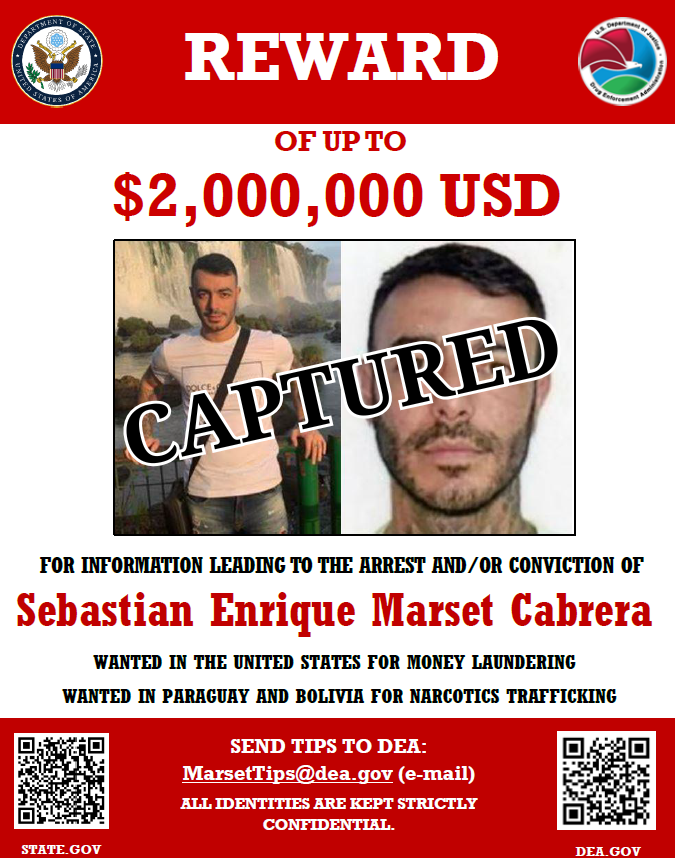
Marset led the First Uruguayan Cartel, a transnational criminal network responsible for shipping massive quantities of cocaine from South America to European ports including Belgium, the Netherlands and Portugal. The network allegedly imported more than 16 tons of cocaine into Europe. The U.S. State Department had offered a 2 million reward for information leading to his arrest or conviction. In May 2025, the U.S. Department of Justice indicted Marset on money laundering charges for allegedly processing millions in drug proceeds through U.S.-based financial institutions.
Years as a Fugitive
Marset had evaded capture since July 2023, when he escaped a previous Bolivian raid on his mansion in the El Urubó area of Santa Cruz. During his time as a fugitive, he periodically posted videos mocking authorities and even arranged a helicopter interview with a Uruguayan television presenter. Marset maintained a public facade as a football entrepreneur, purchasing lower-division teams in Latin America and Europe and inserting himself into starting lineups. He reportedly paid 10,000 to wear the number 10 jersey and stamped drug shipments with the label “The King of the South.”
Marset’s arrest followed Bolivia’s restoration of operational ties with the U.S. Drug Enforcement Administration in February 2026, ending a 17-year rupture that began in 2008. The capture occurred just days after Bolivia joined 16 other nations in an anti-cartel military alliance launched by U.S. President Donald Trump. The U.S. State Department’s International Narcotics bureau welcomed the arrest on X, stating: “The Shield of the Americas is making our region safer and stronger.”
Official Statements
Rodrigo Paz, President of Bolivia, hailed the arrest as a historic milestone. “One of the drug traffickers and criminals considered among the four biggest on the continent has fallen,” Paz said during a news conference in La Paz. “The capture of Mr. Marset marks a turning point in the fight against organized crime, and it also reaffirms the government’s determination to confront international and domestic mafias.”
Paraguay’s National Anti-Drug Secretariat was the first to confirm the arrest on Friday morning. Paraguayan authorities have also sought Marset’s extradition to stand trial in that country for organized crime charges.
Ongoing Investigation
Bolivian police chief Mirko Sokol indicated that additional raids are planned in the coming days. “We have information on many people who have collaborated with Marset. It is very likely that there are police officers among them,” Sokol told reporters.
Marset’s arrest represents the second major operation against Latin American narcotics leadership in under a month. In February 2026, Mexican military forces killed Nemesio “El Mencho” Oseguera Cervantes, leader of the Jalisco New Generation Cartel, during an arrest operation.