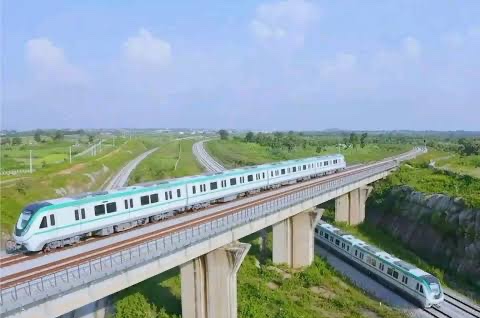
The Nigerian Railway Corporation (NRC) has announced plans to introduce electric trains on major rail corridors as part of a broader strategy to modernise Nigeria’s railway system and improve transportation efficiency.
The initiative marks a significant step toward upgrading the country’s rail infrastructure. While aligning with global trends in cleaner and more sustainable transportation.
Transition to Modern Rail Technology
According to the NRC, the proposed electric train system will gradually replace or complement diesel-powered locomotives currently operating on several routes. Electric trains are widely regarded as more efficient, environmentally friendly, and capable of providing faster and smoother travel.
Officials say the transition will focus on key rail corridors with high passenger and freight demand, helping improve reliability and reduce operational costs over time.
Boosting Transportation and Economic Growth
The modernization of Nigeria’s railway network is expected to enhance mobility for both passengers and goods. By improving rail connectivity, the government aims to reduce pressure on road transportation. While facilitating easier movement of agricultural products, raw materials, and manufactured goods across the country.
Transport analysts believe a more efficient railway system could also stimulate economic activities along rail routes and reduce travel times between major cities.
Environmental and Cost Benefits
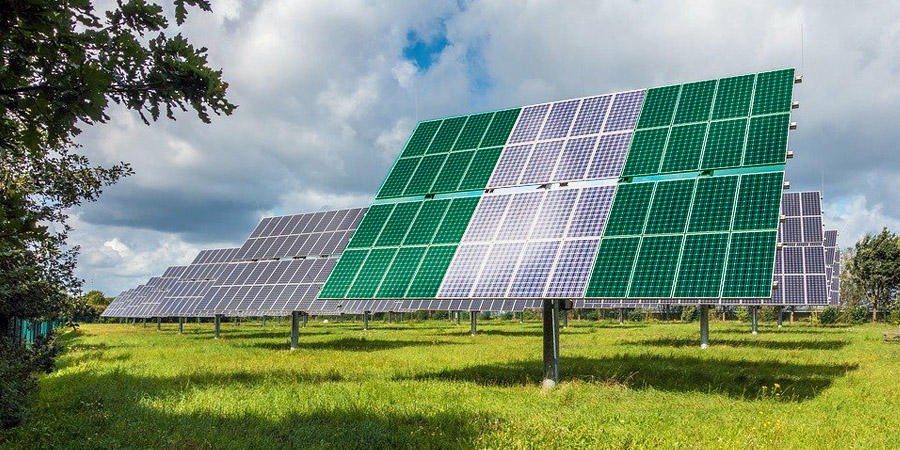
Electric trains are also seen as a more sustainable option compared to traditional diesel locomotives. They produce fewer emissions and are typically cheaper to maintain in the long term. Especially when powered by renewable energy sources.
This shift aligns with broader efforts by the government to modernise infrastructure while adopting more environmentally friendly technologies.
Future of Rail in Nigeria
The electric train initiative forms part of ongoing reforms aimed at revitalising Nigeria’s rail transport sector. Over the past decade, the government has invested in new rail lines and upgraded infrastructure to expand the country’s rail network.
If successfully implemented, the introduction of electric trains could mark a major turning point in Nigeria’s transportation system. Positioning the railway sector as a more efficient and sustainable alternative for national mobility.