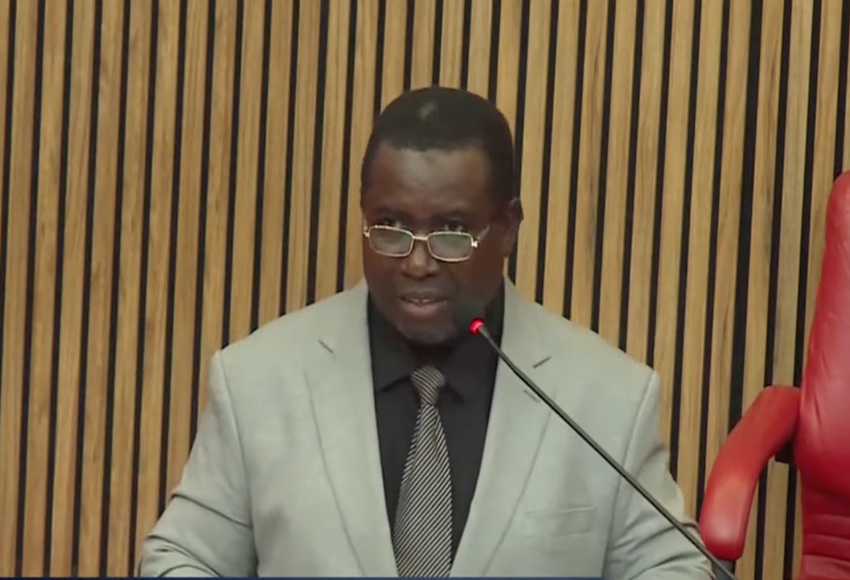
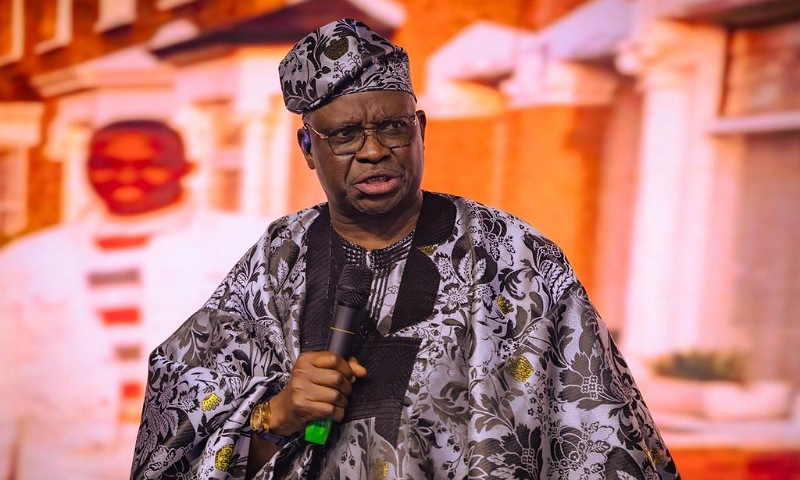
Former Ekiti Governor Ayodele Fayose declares that President Bola Tinubu values Nyesom Wike more than Siminalayi Fubara. Fayose shares this view amid the ongoing Rivers State crisis. This statement stirs debates across Nigeria.
Fayose’s Bold Claim
Fayose asserts Tinubu will not abandon Wike for Fubara. He explains Wike’s political relevance outweighs Fubara’s. Therefore the President sees little reason to side against the FCT Minister.
Moreover Fayose expresses surprise at the fallout. He never anticipated tension between Wike and his successor. As a result, he warned Fubara against betrayal.
Roots of the Conflict
The crisis begins in 2023 when Wike and Fubara clash. Wike, former Rivers Governor, supports Fubara’s rise. However disputes over control erupt soon after. Lawmakers loyal to Wike attempt to impeach Fubara. In response, Fubara resists and seeks court interventions. Moreover the state divides into factions.
Tinubu’s Role in Mediation
President Tinubu intervenes to broker peace. He hosts meetings with both leaders. Yet Fayose believes Tinubu favors Wike. This stance stems from Wike’s alliance with the APC. Furthermore Tinubu’s actions aim to stabilize Rivers. But critics argue bias undermines fairness. Thus tensions persist despite efforts.
Implications for 2027 Elections
Fayose doubts Wike or Fubara can secure Rivers for Tinubu without rigging. He stresses the state’s complex politics. Accordingly, the APC faces challenges ahead. In addition, Fayose compares Rivers to Lagos. He questions Fubara’s claim as state leader. This analogy highlights godfather influences in Nigerian politics.
Calls for Resolution
Experts urge dialogue to end the crisis. They warn prolonged conflict harms development. Therefore leaders must prioritize unity. In conclusion, Fayose’s words spotlight power dynamics. The Rivers saga tests Tinubu’s leadership. Failure to resolve it could impact national stability.