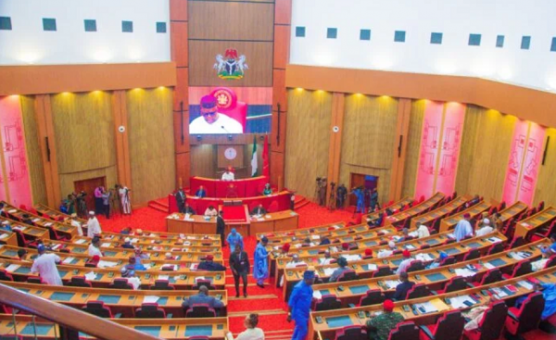
The foot-dragging by the Godswill Akpabio-led Senate in passing the 2025 Electoral Act Amendment Bill risks undermining public confidence in the 2027 general elections.
Election stakeholders, civil society organisations, and opposition parties have repeatedly stressed the urgency of electoral reforms ahead of the next polls. Yet, despite the House of Representatives passing the bill in December 2025, the Senate has yet to conclude its work.
Constitutional Clock is Ticking
Nigeria’s electoral framework is clear. Any amendment to the Electoral Act must be passed and assented to at least 360 days before a general election. That deadline falls in February 2026. With a few weeks left, further delay risks rendering the entire reform effort legally ineffective.
If that happens, Nigeria will head into the 2027 elections under the same 2022 Electoral Act whose weaknesses were exposed during the 2023 polls.
A Narrowing Window for the Senate
The Senate passed the bill at second reading before proceeding on recess, citing the need for further consultations. While deliberation is essential in a democracy, prolonged indecision at this stage carries serious consequences.
A seven-man committee has been constituted to harmonise lawmakers’ views and present a report to the chamber on Tuesday. This step suggests intent, but intent alone does not stop the constitutional clock.
With each passing day, the window for meaningful reform narrows.
What the Reforms Aim to Achieve
The proposed amendments are not cosmetic. They address structural flaws that have repeatedly weakened Nigeria’s elections.
Key provisions include:
- Mandatory electronic transmission of results to reduce manipulation during collation.
- Early voting for security personnel, INEC officials, accredited observers, journalists, and other election workers.
- Stricter penalties for electoral offences.
- Clearer timelines for party primaries and candidate submissions.
- Fast-tracking election litigation so all disputes conclude before inauguration day.
Other proposals sought to reform the election calendar by shifting presidential and gubernatorial polls to November 2026. While that idea appears to have been dropped in the House version, it reflects the broader goal: restoring credibility and certainty to the electoral process.
Delaying such reforms sends the wrong signal to voters, civil society, and the international community.
Public Perception and Political Risk
Anxiety is growing among election observers and civil society groups. Former INEC director Oluwole Osaze-Uzzi accused the Senate of deliberately stalling the bill. The African Democratic Congress (ADC) echoed similar concerns, alleging partisan delay by the APC-dominated chamber.
Whether these accusations are fair or not, perception matters. And the perception today is one of drift.
History also offers a cautionary tale. Ahead of the 2019 elections, former President Muhammadu Buhari refused to assent to the Electoral Act amendment, citing proximity to the polls and ECOWAS obligations. The delay then became a tool for political leverage.
If the current bill reaches the presidency late, similar objections could be raised. President Bola Tinubu would have both legal and regional cover to withhold assent, even if the delay originated in the legislature.
The ECOWAS Factor
Regional law complicates further delay. The ECOWAS Protocol on Democracy and Good Governance discourages member states from making substantial changes to electoral law within six months of an election, except with broad political consensus.
Nigeria’s own legal framework is stricter. It requires all amendments to the Electoral Act to be completed at least 360 days before a general election. This threshold exists to prevent last-minute rule changes and legal uncertainty.
Timing is crucial. Legislative hesitation today may become executive rejection tomorrow. Delay is no longer abstract; it is a real threat to democratic stability.
Urgency Cannot Wait
The Senate has repeatedly assured Nigerians of its commitment to electoral reform. But commitment without speed risks becoming symbolic.
The cost of inaction is measurable: declining voter trust, growing political tension, and disputed outcomes that drag into prolonged litigation.
Nigeria cannot afford to gamble with the legal foundations of its most important democratic exercise. The Senate must act — and it must act now.