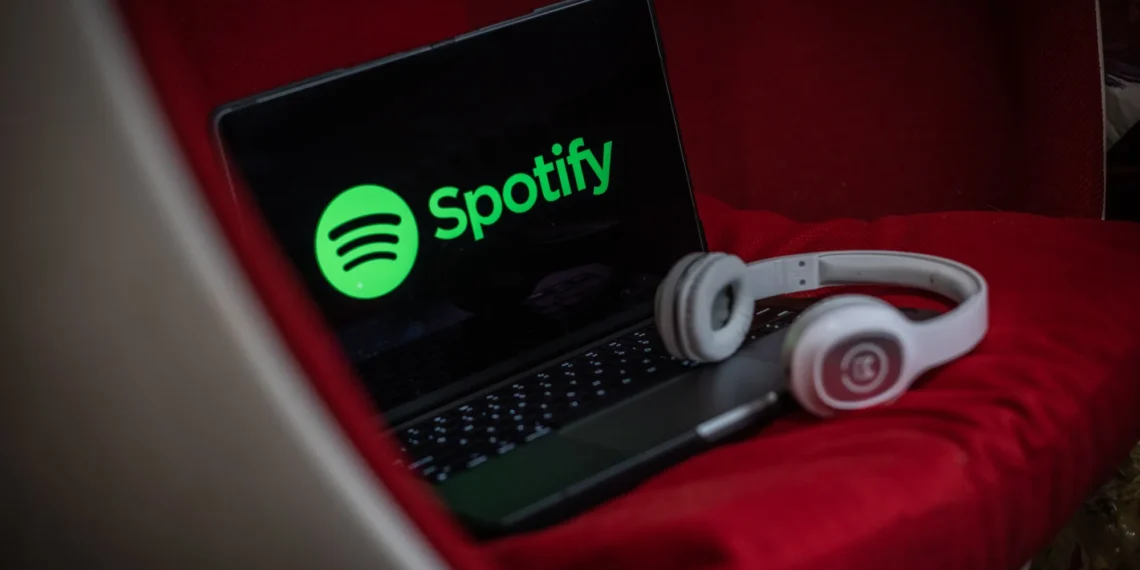
Spotify reports that Nigerian users streamed over 1.4 million hours of music in 2025. Since the platform’s launch, total podcast consumption has surpassed 59 billion hours globally.
This information was shared in a statement by Spotify to the News Agency of Nigeria on Monday in Lagos.
Streaming Growth in Nigeria
The data highlights the rapid rise of streaming in Nigeria, which has grown at an average rate of 163.5% over the past five years.
Spotify reports that the average Nigerian listener is 26 years old, reflecting a young and adventurous audience that enjoys a wide variety of music and podcasts.
The growth in streaming has been fueled by diverse genres and languages, with Afrobeats leading the way. Between 2021 and 2025, Afrobeats streams in Nigeria skyrocketed by 5,022%. Other genres also saw remarkable growth:
- Amapiano: +10,330%
- Gospel and Praise: +5,499%
- Hip-hop and Rap: +3,020%
- R&B: +2,602%
Listening to music in indigenous languages also grew significantly. In 2024, streams increased by 554%, followed by an 87% rise in 2025. Globally, indigenous language streams rose by 141% in 2024 and 41% in 2025.
Nigerian Listeners’ Preferences
Spotify noted that Nigerian users are curious and eclectic in their tastes. Interestingly, the first track streamed in Nigeria when the platform launched was “到此為止” by Shiga Lin.
Over the past five years, the most-streamed Nigerian artists include Burna Boy, Davido, Asake, Wizkid, and Seyi Vibez. Popular tracks include:
- “Remember” and “Lonely At The Top” by Asake
- “Kese (Dance)” by Wizkid
- “Doha” by Seyi Vibez
- “With You” by Davido featuring Omah Lay
Podcast and Artist Engagement
Spotify also revealed that its users in Nigeria engage with a wide range of artists, streaming an average of 150 different musicians in recent months. Podcast consumption has grown significantly, showing a strong interest in diverse audio content beyond music.
Industry Observations
While this growth underscores Nigeria’s cultural influence, industry experts have raised concerns about fair revenue distribution, transparency in royalties, and support for emerging and regional artists.