Nigerians follow government moves closely. President Bola Ahmed Tinubu now requests approval from the National Assembly. He wants to extend the 2025 budget implementation until March 31, 2026. This step addresses key fiscal issues. Lawmakers receive the letter during sessions. They discuss it promptly.
The Formal Request
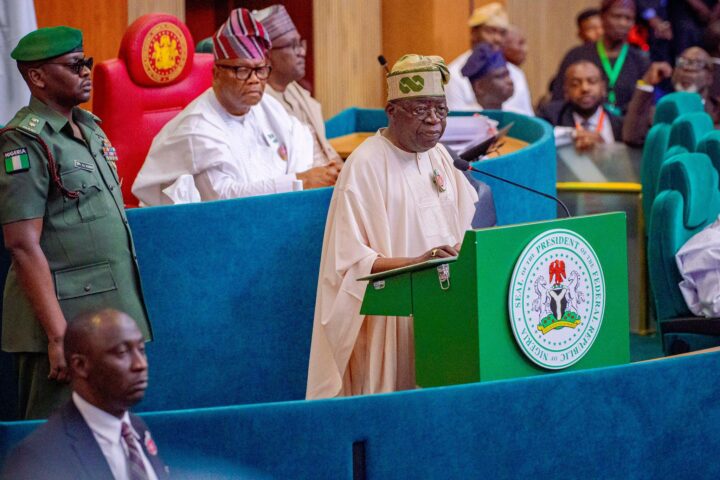
Tinubu submits a detailed letter on December 18, 2025. Speaker Tajudeen Abbas reads it in the House. The President asks to repeal and re-enact the 2024 and 2025 Appropriation Acts.
This aligns budgets with current needs. Moreover it replaces an earlier letter from December 16, 2025. The new proposal focuses on practical changes. Tinubu urges quick action for national progress.
Reasons for the Extension
Overlapping budgets cause delays. Tinubu highlights problems since his 2023 inauguration. Late passages and revenue shortfalls slow projects. Additionally slow capital releases distort planning.
The extension ends these overlaps. It ensures full release of 30 percent capital funds to agencies. Therefore government operations improve efficiency. Fiscal discipline strengthens as a result.
Updated Budget Allocation for 2024
The revised budget is N43.56 trillion. The budget is for 2024. There is N1.74 trillion for statutory transfers. The debt servicing cost is N8.27 trillion. The recurrent expenditure is N11.27 trillion.
The capital expenditure is N22.28 trillion. The budget is until December 31, 2025. The government makes adjustments for unrecognised elements.
Adjusted 2025 Budget Details
For 2025, the revised budget hits N48.32 trillion. Statutory transfers rise to N3.65 trillion. Debt service climbs to N14.32 trillion. Recurrent costs total N13.59 trillion. Capital spending amounts to N16.77 trillion. However one report notes a N49.7 trillion proposal from December 2024. In addition, the extension to March 2026 allows complete fund releases. Agencies gain better execution tools.
Implications for Nigeria’s Economy
This move boosts accountability. Tinubu stresses transparent spending. Projects advance without delays. Furthermore it supports economic reforms. Citizens benefit from steady infrastructure growth. Critics watch for impacts on inflation. Yet supporters see long-term gains. The administration commits to sustainable development.
In conclusion, Lawmakers debate the bills soon. Tinubu calls for swift passage. This reform reshapes Nigeria’s fiscal future. It unites efforts for growth. As discussions unfold, Nigerians await outcomes. The change promises smoother governance ahead.