
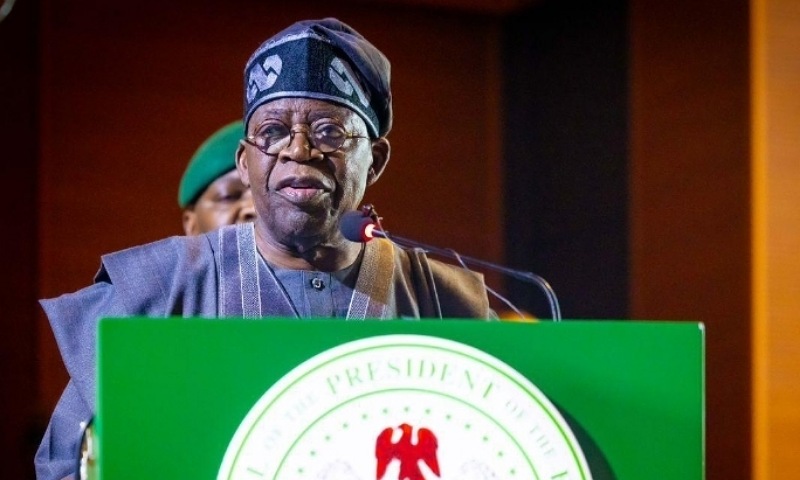
President Bola Tinubu issues a strong warning to state governors. He threatens to slash their allocations if they block local government autonomy. This move aims to enforce a Supreme Court ruling. Tinubu stresses direct fund releases to local governments.
Moreover Tinubu highlights compliance issues. Some governors still withhold statutory allocations. He vows to use an executive order for enforcement. This ensures funds reach local levels without interference.
Background on the Dispute
The conflict stems from a Supreme Court judgment. The court grants full autonomy to local governments. Governors traditionally control these funds. However the ruling demands direct payments from the federation account.
Additionally Tinubu expresses concern over delays. He urges governors to obey the law promptly. This promotes grassroots development. Citizens benefit from better local services.
Governors’ Resistance
Many governors resist the change. They lobby against direct allocations. Some fear loss of power and resources. Therefore they push back on the federal directive.
Nevertheless, Tinubu remains firm. He warns of deductions from state shares. This could force compliance. Governors must adapt to the new system.
Implications for Local Governance
Direct funding empowers local councils. They gain control over budgets and projects. As a result, communities see faster improvements. Roads, schools, and health services advance.
Furthermore this shift reduces corruption. Funds bypass state-level bottlenecks. Transparency increases across Nigeria. Citizens hold leaders accountable.
Public Reactions
Nigerians welcome Tinubu’s stance. Many praise his commitment to reform. However critics question enforcement timelines. They demand quick action. In addition, experts predict economic boosts. Local investments rise with autonomy. This fosters national growth.
Future Outlook
Tinubu sets a deadline for compliance. He promises monitoring through federal agencies. Consequently states face pressure to align. Failure invites financial penalties.In conclusion, this policy reshapes Nigerian federalism. It balances power among tiers. Democracy strengthens at the grassroots level.