
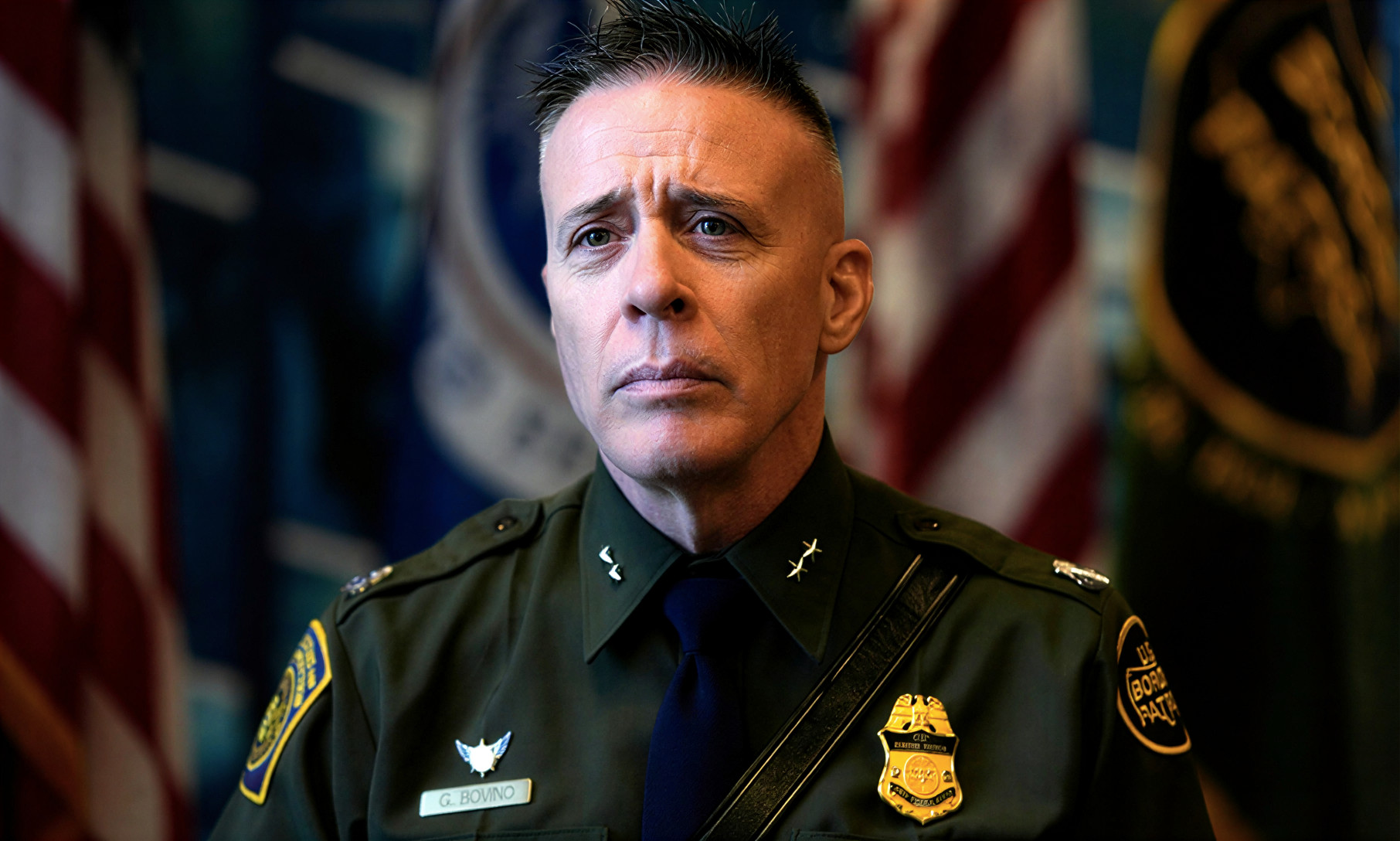
United States Border Patrol Chief Gregory Bovino departed Minneapolis on January 26, 2026. This move marked a significant shift in a federal immigration operation that had sparked intense local protest. Moreover a portion of the Border Patrol agents deployed to the city also prepared to leave.
The Catalyst for Withdrawal
The immediate catalyst for this withdrawal was mounting public outrage over a series of fatal shootings. Border Patrol agents fatally shot 37-year-old Minneapolis resident Alex Pretti on January 24 during a federal operation.
This incident was the third involving a federal agent since “Operation Metro Surge” launched in Minnesota. Previously agents had shot and killed Renee Good on January 7 and injured another man a week later.
Following Pretti’s death, Chief Bovino made forceful public statements defending his agents. He claimed Pretti intended to “massacre” federal officers and labeled him a “domestic terrorist.”
However these claims were not supported by available video evidence. During a television interview, Bovino framed his agents as the wronged party. “The victims are the Border Patrol agents,” he stated.
Mounting Political and Public Pressure
Meanwhile political pressure intensified at both state and federal levels. Minnesota’s Democratic Governor, Tim Walz, engaged directly with President Donald Trump.
Following a phone call, President Trump noted they were “on a similar wavelength.” Governor Walz later confirmed the president agreed to consider reducing the number of federal agents in the state.
Moreover administration officials grew deeply frustrated with Bovino’s handling of the crisis. They believed his weekend media appearances failed to calm criticism and instead worsened the administration’s public perception. One official described the decision for Bovino to leave as “mutual.”
A Strategic Pivot and Legal Challenges
In response, the White House initiated a strategic pivot. President Trump dispatched former Immigration and Customs Enforcement (ICE) Director Tom Homan to Minneapolis to oversee operations.
White House Press Secretary Karoline Leavitt announced Homan would become the “main point of contact on the ground.” She also distanced the president from his secretary’s rhetoric, clarifying that calling Pretti a “domestic terrorist” was not President
Meanwhile legal challenges against the federal operation proceeded. The state of Minnesota argued in court that the federal government was coercing the state “into complying with Trump policy.” A federal judge heard arguments on whether to halt “Operation Metro Surge” but did not issue an immediate ruling.