The U.S. government shutdown entered its 36rd day on Wednesday. This event now holds the record as the longest in American history. It started on October 1 due to disputes over federal funding. Democrats pushed for extended health care subsidies, but the bill left them out. As a result, federal workers went without pay, and key services stalled.
President Trump stepped in actively. He called on Senate Republicans to support a compromise bill. His administration urged all lawmakers to back the legislation and reopen the government.
Senate Passes the Bill
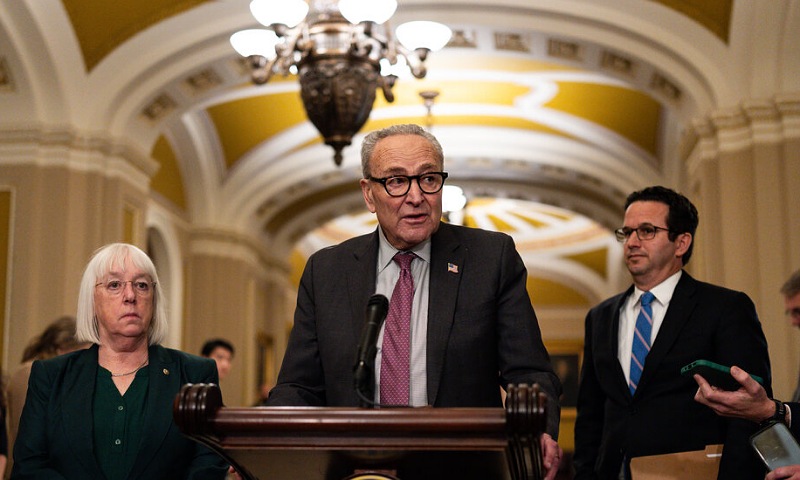
The Senate acted swiftly on November 10. They approved the funding package with a 60 to 40 vote. Nearly all Republicans supported it, and eight Democrats crossed party lines. This move set the stage for the House to follow.
Moreover the bill extends funding through January 30, 2026. It targets agencies like agriculture and veterans’ affairs. Workers will receive back pay, and laid-off employees can return to their jobs.
House Gears Up for Crucial Vote
The House returned from a long recess on November 12. Speaker Mike Johnson called members back to vote on the bill. Debate lasted one hour before the final decision.
Republicans’ slim majority made the outcome uncertain, but passage seemed likely. In addition, Democrats opposed the measure strongly. They criticized it for ignoring health subsidies. Still the vote aimed to end the impasse quickly.
Trump’s Support and Broader Impacts
Trump vowed to sign the bill promptly. He described it as a good-faith solution to the crisis. He also proposed $10,000 bonuses for air traffic controllers who showed up every day. However he suggested those who missed shifts should quit.
Furthermore the shutdown disrupted air travel at 40 airports. SNAP benefits faced delays, affecting millions. If the House approves, agencies prepare to restart operations by November 13. This step promises relief and restores normalcy.
Looking Ahead to Resolution
Growth could drop by two points in the fourth quarter. Data releases like jobs reports may delay. Nevertheless Trump’s push highlights urgency. It encourages unity to avoid future crises.