
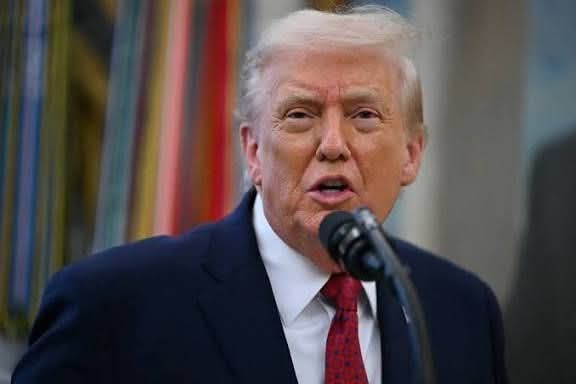
US President Donald Trump has ordered a fast-track federal review aimed at marijuana reclassification, marking a major shift in American drug policy.
Trump signed the executive order on December 18, 2025. The directive instructs federal agencies to accelerate the process of moving marijuana from Schedule I to Schedule III under the Controlled Substances Act.
Marijuana reclassification would place the drug in a less restrictive category. It would also formally recognize accepted medical use at the federal level.
Marijuana Reclassification Targets DEA, DOJ Rulemaking
Under the order, the Attorney General and the Drug Enforcement Administration must speed up ongoing rulemaking efforts.
These efforts have stalled for years despite growing state-level legalization. The review would reassess marijuana’s abuse potential and medical value.
If completed, marijuana reclassification would ease barriers to scientific research. Researchers have long cited Schedule I status as a major obstacle.
The change would also provide tax relief to state-legal cannabis businesses. This relief would come through the removal of limits under IRS Section 280E.
Economic and Regulatory Impact of Marijuana Reclassification
Marijuana reclassification could improve access to banking services for cannabis operators. Many businesses currently face restrictions due to federal drug laws.
However, federal officials stressed that the order does not legalize marijuana nationwide. Recreational use would remain governed by state laws.
The directive builds on a review launched during the Biden administration. That review recommended reclassification but failed to reach completion.
As a result, Trump’s action has revived a long-running national debate on cannabis regulation.
Mixed Reactions Follow Marijuana Reclassification Order
The cannabis industry and medical researchers welcomed the move. Many described it as a long-overdue policy correction.
Meanwhile, some conservative and anti-drug groups voiced concern. They warned the decision could downplay health risks linked to marijuana use.
Federal officials said the rulemaking process must still run its course. They noted that implementation could take several months.
Until then, state laws will continue to control marijuana sales and possession across the United States.