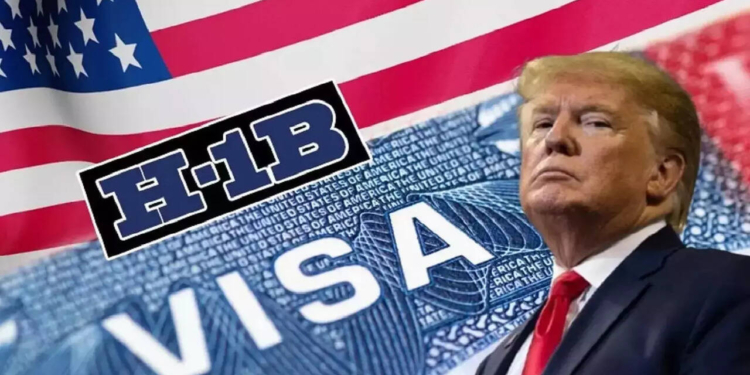
The Trump administration has announced stricter rules for H-1B visa screening, therefore expanding mandatory social media vetting to skilled foreign workers and their dependents entering the United States.
Under the new directive, which takes effect on December 15, all H-1B visa applicants and their H-4 dependents must make their social media profiles publicly accessible for government review. As a result, officials will review online activity during the visa process.
According to the US State Department, the policy strengthens immigration oversight. In addition, it aligns with national security priorities.
“To facilitate this vetting, all applicants for H-1B and their dependents (H-4), F, M, and J nonimmigrant visas are instructed to adjust the privacy settings on all of their social media profiles to ‘public’,” the department said.
H-1B Visa Screening Begins to Affect Applicants
The expanded H-1B visa screening has already affected visa processing timelines. For example, several applicants have had interviews rescheduled in India to allow time for social media review.
Previously, the F, M, and J visa categories applied to students and exchange visitors. However, authorities already subjected those categories to similar online screening. Now, skilled workers and their families face the same checks.
US Calls H-1B Visa Screening a Security Measure
The State Department stressed that a US visa remains a privilege, not a right. Therefore, officials rely on all available information to identify applicants who may pose security risks.
“We conduct thorough vetting of all visa applicants, including online presence review of all student and exchange visitor applicants in the F, M, and J nonimmigrant classifications,” the department said.
Accordingly, officials treat every visa decision as a national security matter.
Trump Steps Up Immigration Controls
The tougher H-1B visa screening reflects President Donald Trump’s broader push to tighten immigration rules. Meanwhile, the administration says stronger vetting improves oversight of legal migration.
Ultimately, officials said the policy supports immigration enforcement while protecting US interests.