The United Nations General Assembly adopted a historic resolution on March 25, 2026, calling for reparatory justice for the transatlantic slave trade. Ghana’s President John Dramani Mahama led the diplomatic effort, which secured 123 votes in favor from the 193-member body.Argentina, Israel and the United States voted against the resolution. Fifty-two member states abstained, including the United Kingdom and all 27 members of the European Union.
Ghana Leads the Charge
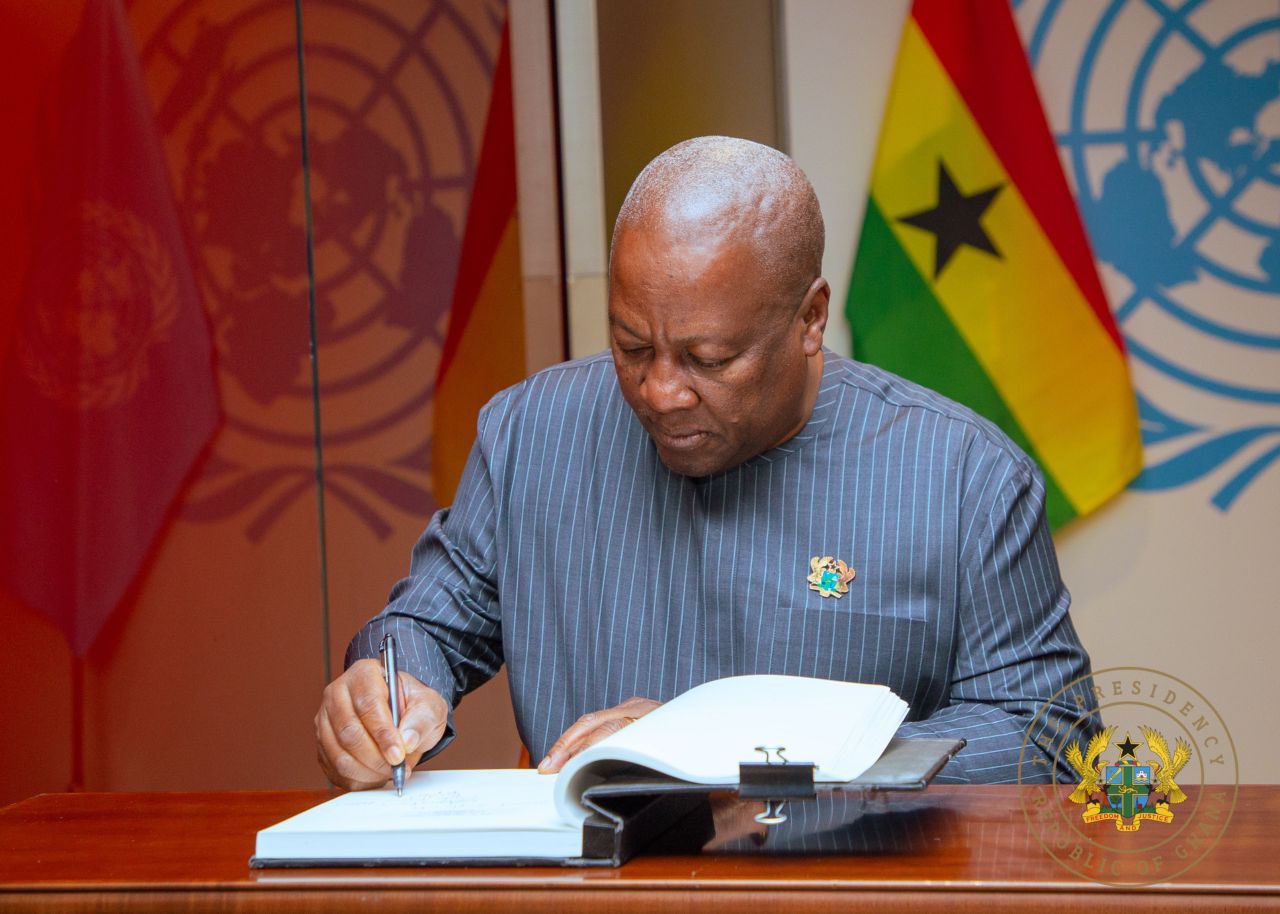
President John Dramani Mahama spearheaded the resolution on behalf of the 54-member African Group, the largest regional bloc at the UN. He addressed the Assembly before the vote on the International Day of Remembrance of the Victims of Slavery and the Transatlantic Slave Trade.
“Today, we come together in solemn solidarity to affirm truth and pursue a route to healing and reparative justice,” President Mahama stated. He added, “The adoption of this resolution serves as a safeguard against forgetting. Let it be recorded that when history beckoned, we did what was right for the memory of the millions who suffered the indignity of slavery.”
The resolution declared the trafficking of enslaved Africans and racialized chattel enslavement “the gravest crime against humanity.” It cited the definitive break in world history, scale, duration, systemic nature, brutality and enduring consequences that continue to structure lives through racialized regimes of labor, property and capital.
Diplomatic Response
Samuel Okudzeto Ablakwa, Ghana’s minister of foreign affairs, spoke to journalists following the vote. He explained, “It is not about reopening old wounds; it is about ensuring that those wounds are neither forgotten nor denied. It is about creating space for truth for education and for a more honest conversation that allows us to move forward with greater understanding.”
The resolution urged member states to engage in inclusive, good-faith dialogue on reparatory justice. This includes formal apologies, restitution, compensation, rehabilitation, satisfaction, guarantees of non-repetition and changes to laws and programs to address racism and systemic discrimination.
Furthermore, the text called for the prompt and unhindered restitution of cultural items to their countries of origin without charge.
Western Opposition
Dan Negrea, ambassador of the United States to the UN Economic and Social Council, explained the American position before the vote. He stated, “The United States does not recognize a legal right to reparations for historical wrongs that were not illegal under international law at the time they occurred.”
Negrea also objected to what he called “the cynical usage of historical wrongs as a leverage point in an attempt to reallocate modern resources to people and nations who are distantly related to the historical victims.”
Gabriella Michaelidou, deputy permanent representative of Cyprus, spoke on behalf of the European Union. She expressed concern about “the use of superlatives” that imply a hierarchy among atrocity crimes. She stated that when no legal hierarchy between crimes against humanity exists, such language risks undermining the harm suffered by all victims.