
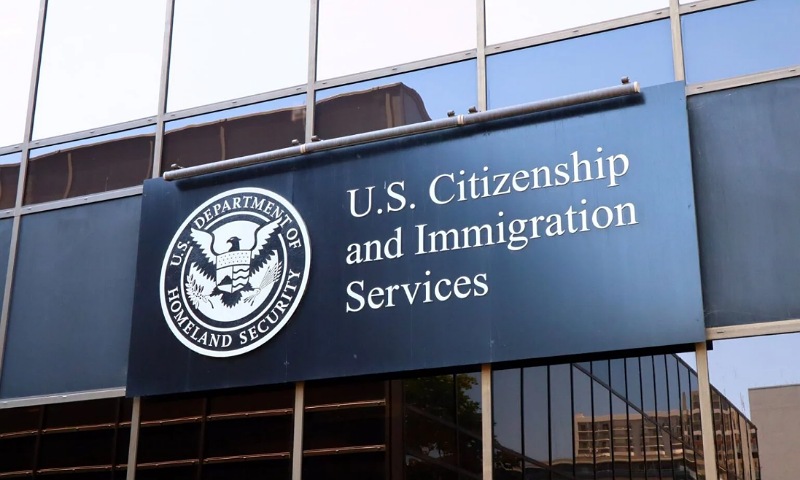
The United States government recently expanded its travel ban. This change affects millions of people worldwide. Officials aim to strengthen national security through these measures.
The New Proclamation
President Trump issued a proclamation on December 16, 2025. It restricts entry for foreign nationals from many countries. The rules take effect on January 1, 2026. This policy builds on earlier bans from his first term.
Additionally the proclamation halts immigrant visa issuance. People from listed countries cannot apply for green cards. It also impacts some citizenship paths.
Affected Countries
The ban categorizes countries into full and partial suspension lists. Full suspensions suspend all visa issuances for countries such as Afghanistan, Iran, and Somalia. The partial suspensions are limited to immigrant visas for countries such as Nigeria, Cuba, and Venezuela.
Nigeria joins 38 other nations in these restrictions. Over 60 percent of African countries face limits. This affects Nigerians seeking permanent residency or citizenship.However nonimmigrant visas see reduced validity for some nationals. For example, consular officers shorten visa periods for Nigerians.
Reasons Behind the Ban
The administration cites security concerns. They point to poor vetting processes in affected countries. High visa overstay rates and corruption play roles too.
Moreover officials mention terrorist presence and deportation failures. Nigeria’s 12.5 percent overstay rate contributes to its inclusion. These factors drive the policy changes.
Exceptions and Waivers
Some groups escape the ban. Lawful permanent residents can enter freely. Dual nationals using non-restricted passports qualify as well. Diplomats and athletes receive exemptions. Case by case waivers allow entries in national interest. Yet the policy removes protections for certain Afghan allies.
Responses and Consequences
Opponents of the move term it discriminatory. Activists for immigrants claim that this measure is biased against Muslims and Africans. Nigerian officials are disappointed with this policy.
Meanwhile the restrictions disrupt families and businesses. Educational opportunities suffer too. Experts predict economic harm for the US and affected nations.
Future Implications
This ban marks a major shift in US immigration. It may face legal challenges soon. Observers watch how it evolves under ongoing scrutiny.
In conclusion, the policy reshapes global migration patterns. People from restricted countries must adapt quickly. The world awaits further developments.