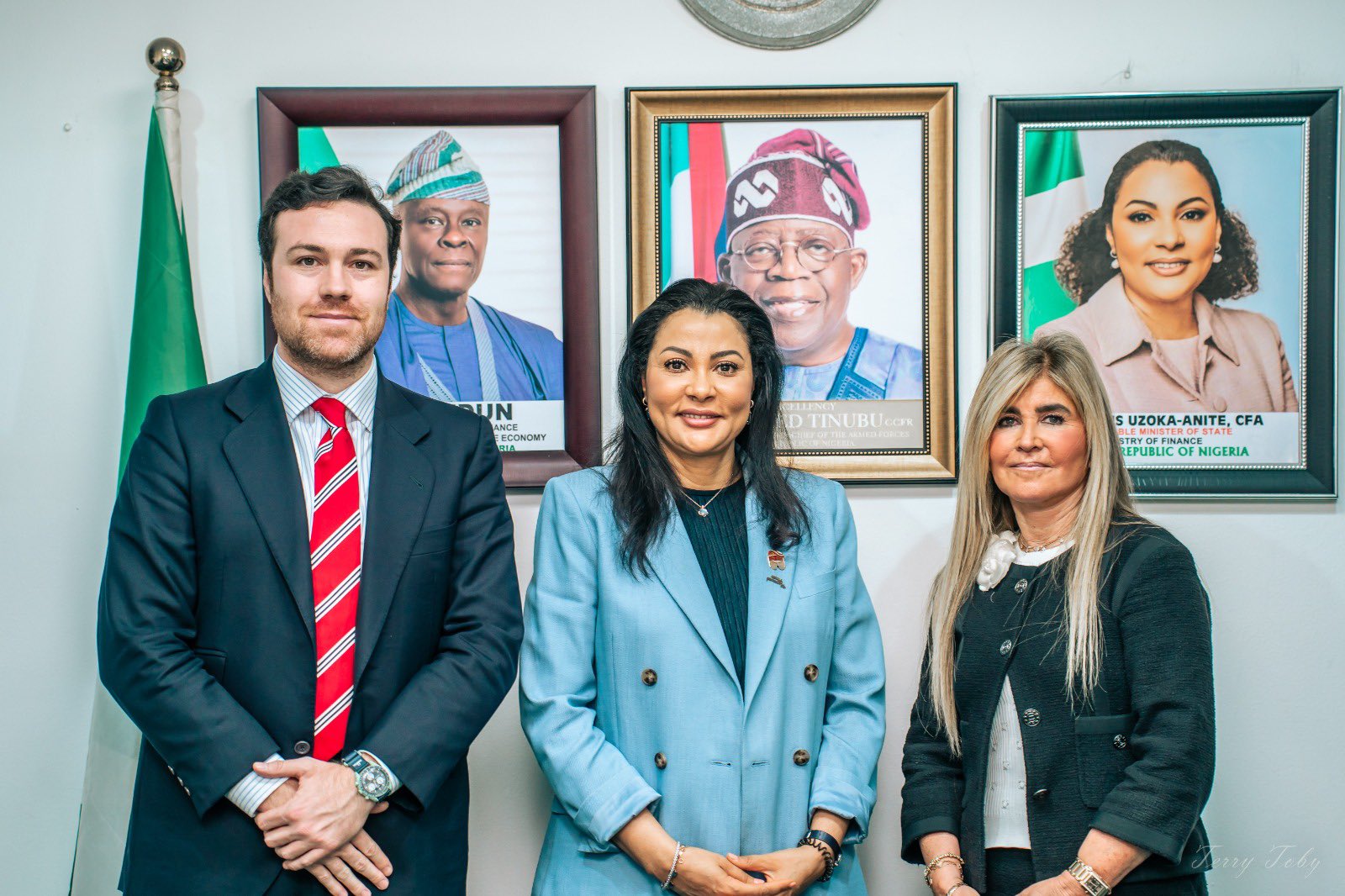
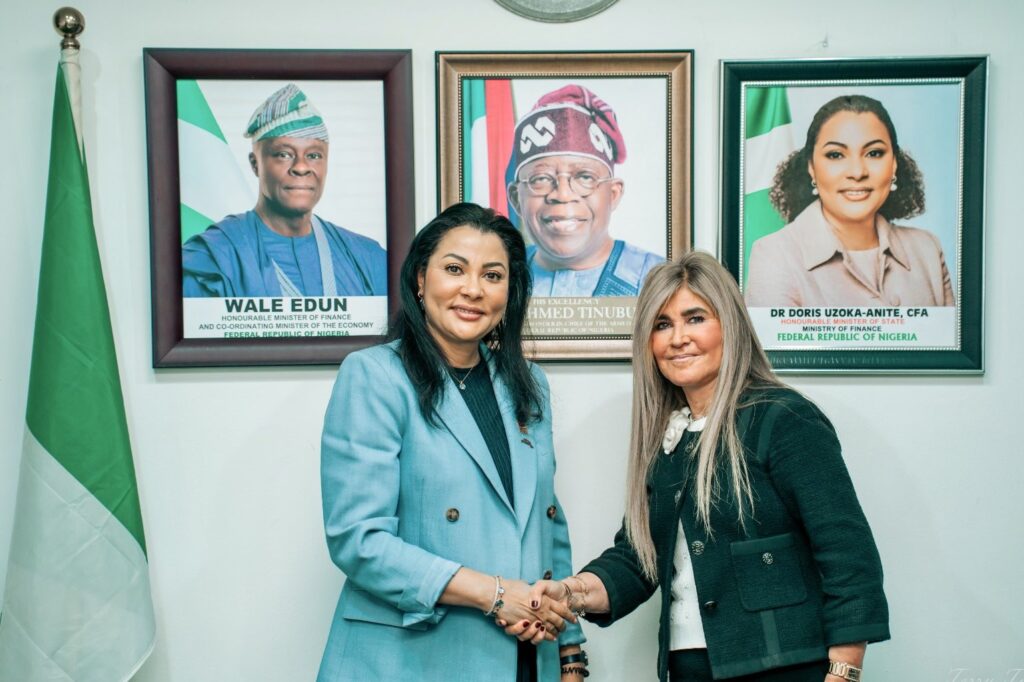
Doris Uzoka-Anite has revealed fresh progress on Nigeria’s infrastructure financing plans. Following a high-level meeting with Maryam Khosrowshahi and her team from Deutsche Bank.
In a post shared on X, the Minister of State for Finance disclosed that discussions focused primarily on. Finalizing a proposed $560 million financing package for the Sokoto–Badagry road project. A major transport corridor expected to strengthen connectivity across multiple regions of the country.
Driving Infrastructure Through Strategic Financing
According to the minister, the engagement builds on the success recorded in the financing of the Lagos–Calabar coastal highway. Signaling continuity in Nigeria’s approach to large-scale infrastructure funding. The government appears to be leveraging structured international partnerships to sustain momentum on transformative road projects.
The Sokoto–Badagry road, once completed, projected to enhance trade, reduce travel time. And stimulate economic activity along its corridor. Securing long-term, structured financing is as a critical step toward ensuring timely delivery.
Eye on the International Bond Market
Beyond infrastructure, the meeting also addressed Nigeria’s broader market outlook, including a potential return to the international bond market. With improving macroeconomic indicators and ongoing fiscal reforms, officials are reportedly assessing favorable conditions for re-entry.
Also, this signals cautious optimism as Nigeria explores diversified funding sources to support national development priorities without derailing fiscal sustainability goals.
Strict Compliance with National Borrowing Framework
Dr. Uzoka-Anite emphasized that all financing discussions are conduct in strict adherence to established Standard Operating Procedures (SOPs). However, She noted that the Ministry is working closely with the Debt Management Office (DMO). To ensure every transaction aligns with approvals from the Federal Executive Council and Nigeria’s national borrowing plan.
The minister underscored a structured, step-by-step approach to funding critical projects. Stating that the government remains committed to transparency, due process, and strategic financial management.
Funding the Future
The engagement with Deutsche Bank reflects Nigeria’s ongoing efforts to secure international partnerships that align with its infrastructure ambitions while maintaining fiscal discipline. As negotiations progress, attention will likely remain on execution timelines, debt sustainability considerations, and broader economic impacts.
With infrastructure positioned at the heart of economic growth strategy, the latest talks suggest that financing conversations are moving from proposal to implementation stage—one project at a time.