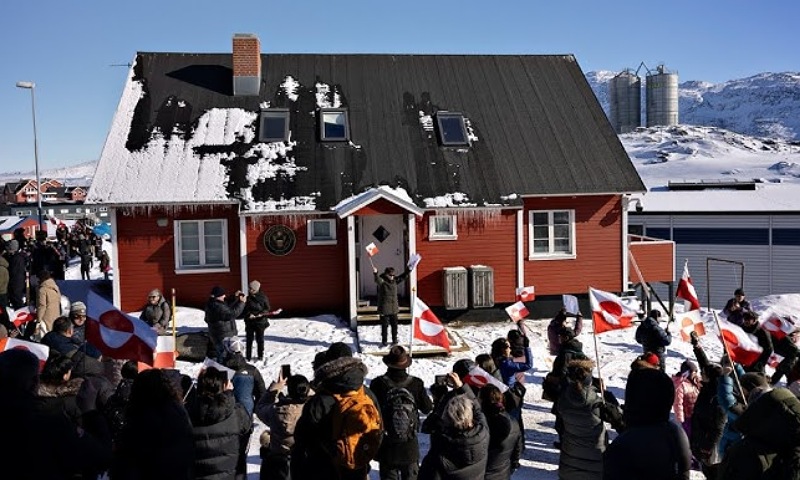
Greenland’s leaders voice strong opposition. They resist any move toward American control. This stance emerges amid renewed US interest in the island.
Historical Ties and Autonomy
Denmark has governed Greenland since the 18th century. Yet Greenland has enjoyed home rule since 1979. It handles internal affairs while Denmark manages foreign policy.
In 2019, President Donald Trump proposed buying Greenland. Greenlanders quickly dismissed the idea. They emphasized their independence.
Recent US Pressures
Trump returns to office in 2025. He revives talks about annexing Greenland. He cites strategic Arctic importance for US security.
Moreover Trump suggests cash payments or force. Greenland’s parties unite against this. They declare, “We don’t want to be Americans.” For instance, officials highlight military cooperation limits. They allow US bases but reject land transfers.
Public Opinion Speaks Loudly
Polls reveal overwhelming rejection. About 85 percent of Greenlanders oppose joining the US. Many view Trump’s interest as a threat.
Additionally surveys show low support for US takeover. Greenlanders value their culture and autonomy. One editor states, “Greenlanders do not want to become Americans.” This sentiment echoes across the population.
Challenges and International Reactions
The US pushes for influence through covert operations. Denmark objects to these actions. Tensions rise between allies.
However Greenland focuses on self determination. Parties advocate for stronger ties with Europe instead. Furthermore experts warn of geopolitical shifts. Arctic resources attract global attention.
Future Prospects for Greenland
Greenland seeks full independence from Denmark. Yet economic ties bind them. US proposals complicate this path. In conclusion, Greenland’s parties stand firm. They prioritize identity over American integration. This resistance shapes the island’s future.