
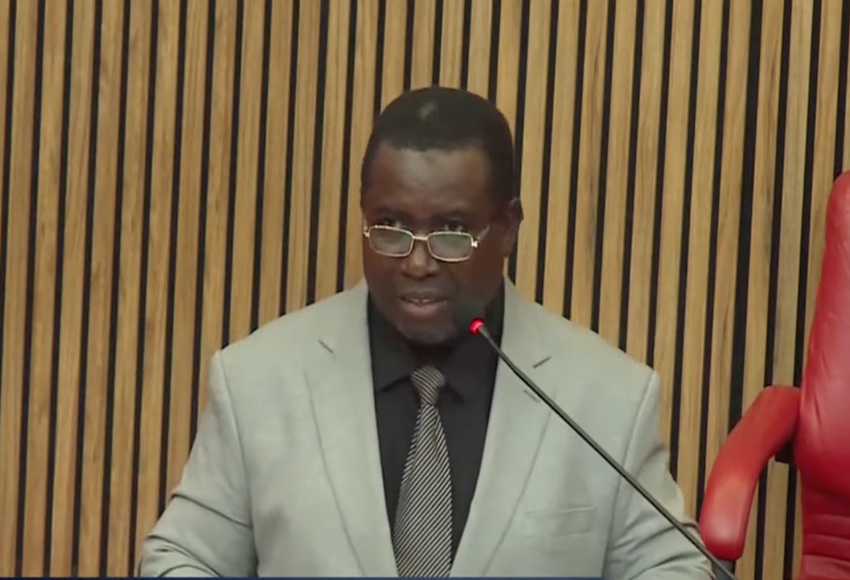
Joash Amupitan, chairman of the Independent National Electoral Commission (INEC), says Nigeria has the capacity to transmit election results electronically, but warned that no electoral process can be 100 percent perfect.
Amupitan made the remarks on Sunday at the Citizen Town Hall on the Electoral Act 2026 in Abuja.
Defining a Successful Election
According to the INEC chairman, a successful election must meet clear logistical benchmarks — beginning on time, remaining peaceful, and ending with well-managed results and a transparent declaration.
“We advertise elections for 8:30 a.m. If we start at 8:30, if it is peaceful, and if we manage results well and declare them, then you can say you have a successful election,” he said.
He acknowledged that past exercises encountered logistical challenges, including human errors — issues the commission is working to address.
No 100 Percent Perfect Election
Amupitan also addressed public expectations of a flawless poll. He noted that many Nigerians desire a “perfect election,” but said such perfection may not be achievable at this stage.
“We will strive to give this country the best election possible. However, we may not be able to achieve a 100 percent perfect election for now,” he said.
Electronic Transmission Clarified
On electronic results transmission, Amupitan reiterated INEC’s capability to do so. The challenge, he explained, is defining what “real time” means in practical terms.
He likened the issue to electronic bank transfers. A sender may initiate a transfer instantly, but the recipient might receive the notification minutes or even hours later.
“When you say real time, it suggests that once it is done, it must be received immediately. That is where logistics and result management come in,” he said.
Amupitan emphasised that the commission is pursuing improvements in logistics and result management under the Electoral Act 2026 to enhance the electoral process.