
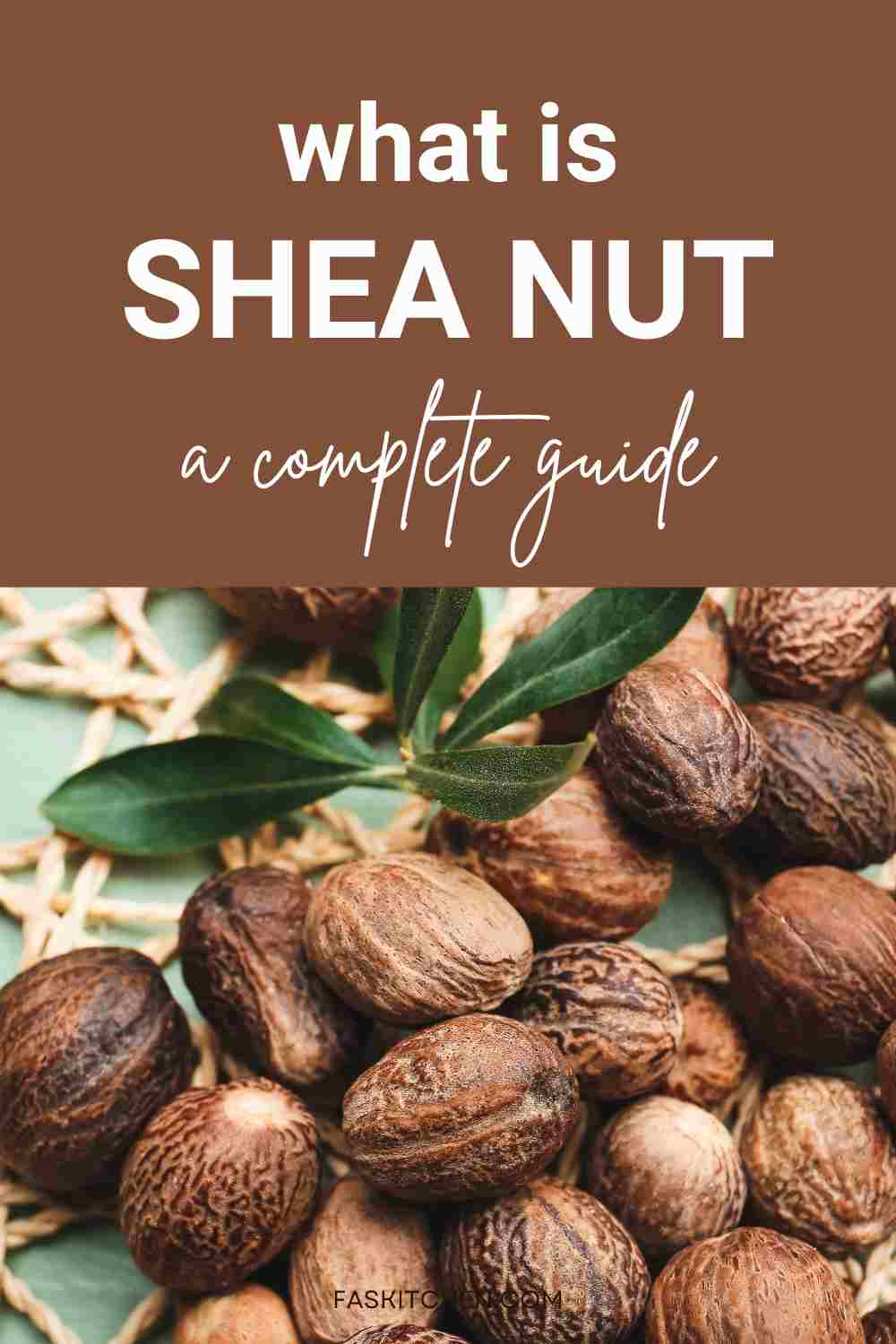
Discover the African shea nut: a natural treasure for food, beauty, and skincare wellness. Explore its origins, uses, and cultural pride across Africa. From the heart of Africa blooms a nut that nourishes the world.
When you ask, “What is shea nut?” you are not just inquiring about a fruit; you are unlocking a story of African heritage, creativity, and resilience. West Africans widely celebrate the shea nut as “women’s gold,” valuing it as more than just a seed, a cultural gem woven into food, beauty, economy, and sustainability.
The Origins of the Shea Nut
The shea tree (Vitellaria paradoxa) grows across the savannah belt of West and Central Africa, stretching from Nigeria to Ghana, Burkina Faso, Mali, and beyond. Its fruits contain the shea nut, which is harvested, dried, and processed to produce the world-famous shea butter.
What is Shea Nut to African skincare secrets?
For centuries, African communities have revered the shea nut gotton from the shea tree as a sacred gift of nature, used not only for nourishment but also for healing, skincare, and even spiritual rituals.
What Is Shea Nut Exactly?
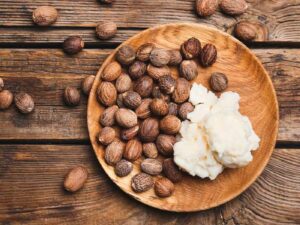
The shea nut is the kernel of the shea fruit, rich in natural fats, vitamins (A, E, F), and antioxidants. Crushing and boiling the nuts produces shea butter a creamy, nutrient-dense product loved worldwide for its versatility.
- In food: African kitchens have used shea butter as a cooking oil for generations.
- In skincare: It is a global favorite for its moisturizing and anti-inflammatory properties.
- In medicine: traditional healers use it for burns, muscle pains, and even infant care.
African Creativity & Global Elegance
What makes the shea nut remarkable is not just its content, but the creativity of African women who process it by hand. From carefully gathering the fallen fruits to hand-whipping the butter, the process is both art and tradition.
Today, the shea industry contributes billions of dollars globally, with Africa supplying nearly 90% of the world’s shea nuts. Yet, its elegance lies in how local African women cooperatives transform a humble nut into a luxurious commodity that powers beauty brands like L’Oréal, The Body Shop, and Fenty Skin.
Sustainability & Cultural Pride
The shea nut is also a beacon of sustainable African living. The trees grow wild and are rarely cultivated, making them eco-friendly and renewable. In many communities, cutting down a shea tree is forbidden a cultural practice that has safeguarded biodiversity for generations.
Equally important is the economic empowerment of African women. Across Ghana, Nigeria, and Burkina Faso, women form cooperatives that process and sell shea nuts, building financial independence while preserving cultural traditions. This is African creativity at its finest, transforming nature into prosperity.
The Global Appeal of Shea
From Parisian luxury creams to eco-friendly African handmade soaps, the shea nut’s journey is one of cultural export. Its butter softens lips, nourishes hair, heals cracked heels, and even enhances cuisine.
And yet, its story remains deeply African. Every product you use carries the fingerprints of women in small villages. The fragrance of savannah trees, and the spirit of sustainability rooted in African pride.
Why Shea Nut Matters Today
The global wellness and beauty industry is increasingly turning to natural, sustainable products, and the shea nut embodies exactly that. It stands at the intersection of luxury, sustainability, and cultural heritage.
To know the shea nut is to celebrate Africa’s role in shaping not just beauty trends, but also conversations on eco-conscious living and fair trade.
Bonus Read: Nightmare Bacteria Cases Surge in U.S.


One thought on “What is Shea Nut? Africa’s Golden Beauty Skincare Secret”