
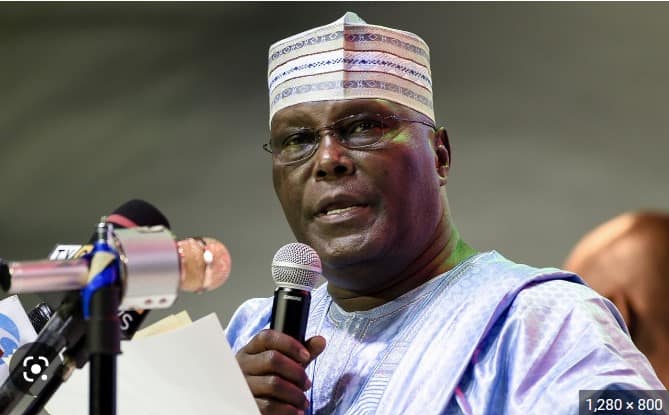
Former Vice President Atiku Abubakar has unveiled a new fuel subsidy model ahead of the 2027 presidential election. Atiku, the African Democratic Congress presidential candidate, said his Atiku Economic Recovery Plan would replace the old import subsidy system with a production-based model.
Atiku’s Proposed Subsidy Model
Under the plan, qualifying public and private refineries would receive Nigerian crude at a preferential price. They would, however, have to meet strict production, efficiency and domestic supply conditions. Atiku said independent audits would track the crude allocated to each refinery. The audits would also monitor the petroleum products produced and supplied to Nigerians.
“My proposal is not to resurrect the old subsidy regime. We will move subsidy from importation to production, from middlemen to Nigerian refineries, and from unverifiable claims to verifiable barrels,” Atiku said.
He said the subsidy would operate within an annual limit approved through the federal budget. This, he explained, would prevent uncontrolled subsidy costs.
Atiku also said refinery owners would have to pass the benefit of the cheaper crude to consumers. He added that any refinery that failed to meet the conditions would lose access to the programme. The former vice president criticised President Bola Tinubu’s 2023 fuel subsidy removal. He said the policy increased living costs while raising questions about other petroleum-related expenses.
Atiku cited NNPCL’s audited financial statements, which recorded Energy Security Expenses of about N4.84tn in 2023 and N7.13tn in 2024. He said Nigerians deserve a clear explanation of the expenses and whether they include costs similar to fuel subsidy payments.
“Nigerians cannot pay for subsidy removal twice — through punishing pump prices and through unexplained subsidy-like costs against their commonwealth,” he said.
Conclusion
Atiku’s proposal would shift fuel subsidy from imports to local refining. The plan also focuses on spending limits, independent audits and cheaper fuel for consumers. Its impact would depend on how well the government monitors the system and ensures Nigerians receive the promised benefits.
Read also: Atiku Vows to Restore Fuel Subsidy If Elected President in 2027

