A deadly measles outbreak has claimed hundreds of children’s lives in Bangladesh, overwhelming hospitals and reversing years of progress against the disease.
Bangladesh is battling its worst measles outbreak in years, with government figures showing nearly 750 deaths since March, most of them children. The country has also recorded more than 120,000 confirmed and suspected cases, while health officials say the true numbers are likely much higher.
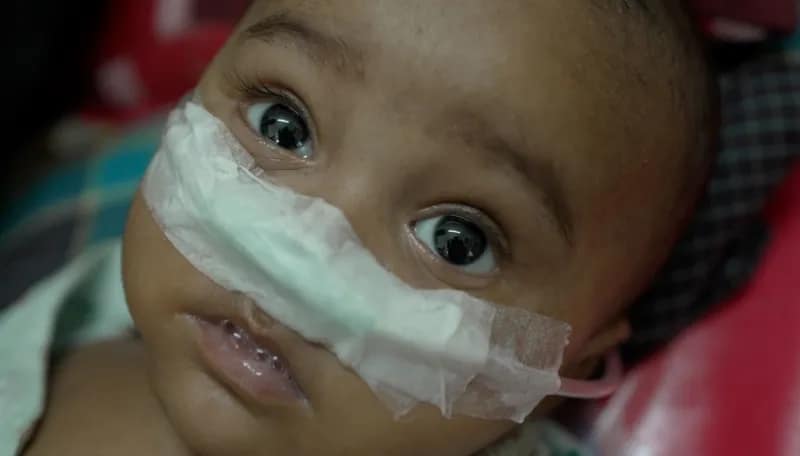
Hospitals across the country are struggling to cope. In Mymensingh Medical College Hospital, wards are operating at more than twice their intended capacity, forcing many families to care for sick children on the floor. Doctors say they have never witnessed an outbreak on this scale.
Health experts believe the crisis was triggered by a combination of delayed vaccine procurement, disruptions caused by the COVID-19 pandemic, overcrowding, and the suspension of routine nationwide measles vaccination campaigns after 2020.
Before this year, Bangladesh had maintained measles vaccination coverage above 90% and was making significant progress toward eliminating the disease, according to the World Health Organization. However, gaps in immunisation left thousands of children vulnerable as infections spread rapidly.
Families have shared heartbreaking stories of children who were unable to receive routine vaccinations due to shortages. Many later developed severe complications such as pneumonia and heart failure, while hospitals struggled with shortages of beds and intensive care facilities.
The government and UNICEF launched an emergency vaccination campaign in April, reaching more than 18.4 million children. Although infections have begun to slow, Bangladesh is still recording nearly 1,000 suspected measles cases every day.
Public health experts warn that the outbreak highlights the dangers of any interruption in childhood vaccination programmes. They argue that stronger immunisation campaigns and sustained vaccine supplies will be essential to prevent more avoidable deaths.
Authorities say emergency vaccination and surveillance efforts will continue as Bangladesh works to bring the outbreak under control and protect vulnerable children.