
The Christian Association of Nigeria (CAN), South-West region, has rejected the proposed ban on preaching inside commercial vehicles. The body warned that the provision could restrict citizens’ constitutional rights.
The position followed the passage of the Federal Road Safety Corps (Amendment) Bill, 2026, by the Senate. The bill proposes a N50,000 fine for anyone convicted of hawking, trading, or preaching inside commercial vehicles.
CAN expresses serious concerns
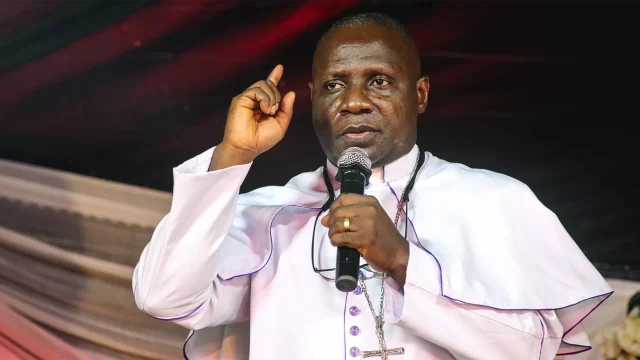
In a statement by the South-West Chairman of CAN, Bishop Barnabas Akinsanya, the body said the proposed legislation requires careful review. This ensures it does not infringe on citizens’ fundamental freedoms.
It expressed what it described as “serious concerns” regarding aspects of the proposed bill. These concerns particularly relate to the provision prescribing sanctions for preaching in commercial buses.
“While government has a constitutional responsibility to ensure public safety, it also has an equal obligation to uphold the fundamental rights guaranteed under the Constitution of the Federal Republic of Nigeria, including freedom of thought, conscience, religion, and expression,” the statement read.
“We believe that any legislation capable of restricting these rights should be carefully examined to ensure that it is necessary, proportionate, and consistent with constitutional principles.”
Ban could create unnecessary tension
According to CAN, prohibiting religious preaching without evidence that it poses a direct threat to public safety could create problems. It could give the impression of an unnecessary restriction on religious freedom. This could lead to avoidable public tension.
The statement added that many Nigerians depend on legitimate informal trading for their daily survival.
“Rather than adopting measures that may further worsen economic hardship, the government should prioritise policies that create employment opportunities, reduce poverty, improve public transportation, strengthen security, and enhance the welfare of citizens,” CAN said.
CAN appeals to President Tinubu
The body therefore appealed to President Bola Tinubu to withhold assent to the bill in its present form. It also urged the government to encourage further consultation with relevant stakeholders.
These stakeholders include religious bodies, civil society organisations, legal experts, transport unions, and road safety professionals.
“Such dialogue will help produce legislation that effectively promotes road safety while preserving the constitutional rights and dignity of every Nigerian,” CAN added.
Read also: Safe Schools probe: Senate adds TETFund, NELFUND to investigation

