
By ALO 360 Editorial Board
As the May 30 deadline set by the Independent National Electoral Commission (INEC) for the conduct of party primaries elapses, political parties have largely produced their presidential candidates ahead of the 2027 general election. The stage is now set for what promises to be one of the most consequential elections in Nigeria’s democratic history.
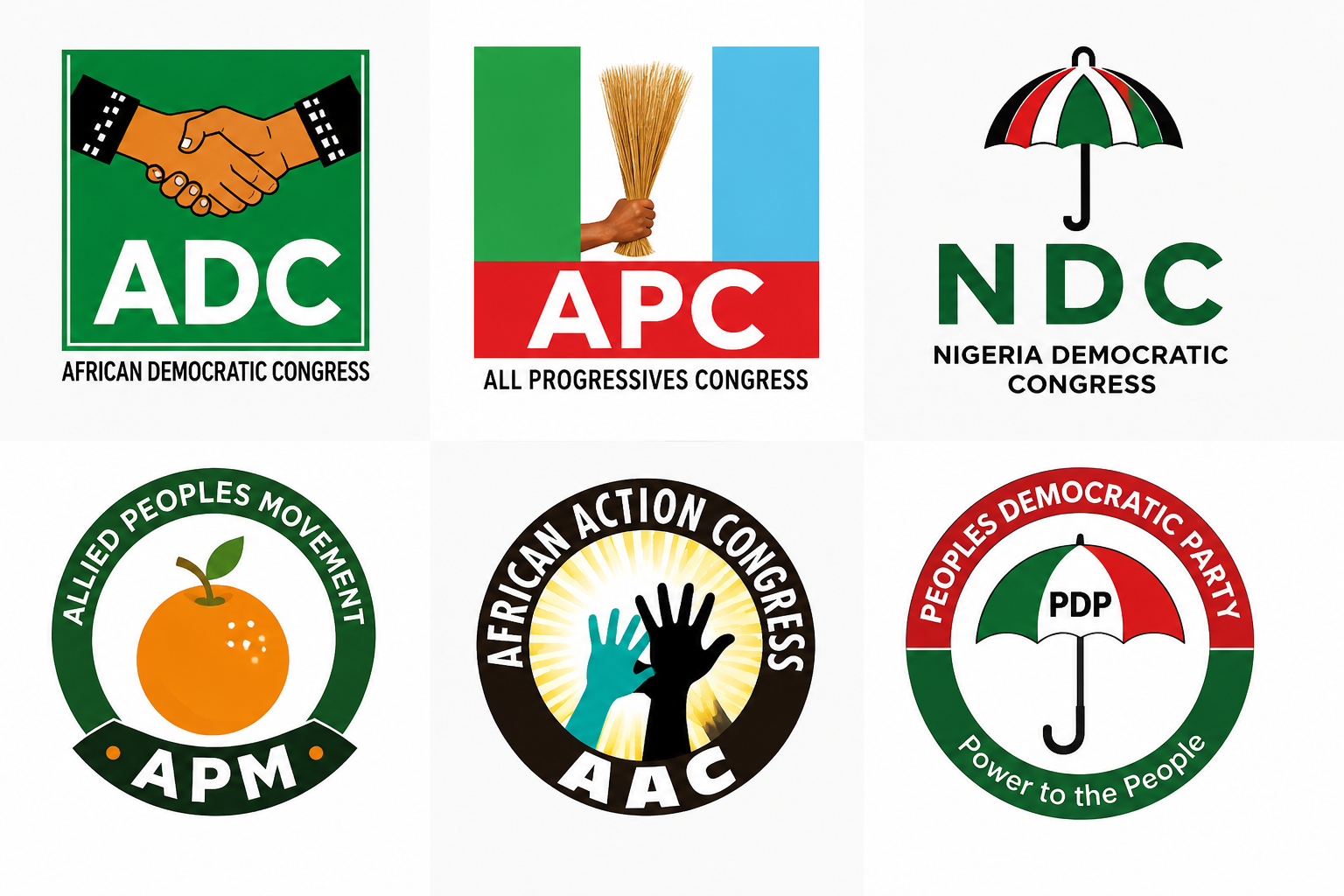
Former Anambra State governor Peter Obi has emerged as the presidential candidate of the Nigeria Democratic Congress (NDC). Former Vice-President Atiku Abubakar clinched the ticket of the African Democratic Congress (ADC), while President Bola Tinubu remains the flag bearer of the ruling All Progressives Congress (APC).
Governor Seyi Makinde of Oyo State secured the presidential ticket of the Allied Peoples Movement (APM). Omoyele Sowore emerged as the candidate of the African Action Congress (AAC), while a faction of the Social Democratic Party (SDP) produced Adewole Adebayo as its candidate. The Peoples Democratic Party (PDP) remains mired in a leadership crisis, with the Tanimu Turaki-led faction announcing former President Goodluck Jonathan as its candidate in absentia, while the Nyesom Wike-backed faction insists that Sandy Onor remains its standard bearer. The ADC is equally battling internal divisions, with rival factions laying claim to the party’s leadership and candidature. The courts may ultimately determine the fate of some of these disputes.
Yet, beyond the drama of party primaries and the contest for tickets lies the more important question: what exactly will the candidates do differently if elected?
Nigeria is at a critical crossroads. Insecurity continues to spread across the country. Schoolchildren are still being abducted. Farmers cannot safely access their farmlands. Millions of Nigerians are trapped in poverty. Inflation has eroded purchasing power. Food prices remain beyond the reach of ordinary families. Healthcare facilities are overstretched, electricity generation remains abysmally low, and youth unemployment continues to fuel frustration and social instability.
Many Nigerians are searching for an alternative to the current administration. However, the alternatives must offer more than eloquent speeches and attractive campaign slogans. The country cannot afford another cycle of lofty promises that evaporate after elections.
Atiku Abubakar has said his administration would prioritise security, education and economic recovery. Peter Obi has promised to govern by the rule of law, reduce the cost of governance, raise electricity generation to at least 10,000 megawatts within four years, and increase healthcare spending to 10 percent of the nation’s GDP. Omoyele Sowore has spoken about deploying technology and drones to tackle insecurity. These proposals may sound attractive, but Nigerians deserve to know more.
How exactly will these plans be implemented?
How will electricity generation be increased when previous administrations have struggled with the same challenge for decades? What specific reforms will unlock investment in the power sector? How will security be restored in communities where the state appears to have lost control? How will candidates fund ambitious healthcare and education programmes without plunging the country deeper into debt? How will they create jobs for millions of young Nigerians entering the labour market each year?
Equally important are questions about governance itself. How do the candidates intend to tackle corruption? Will they reduce the size and cost of government? Will they strengthen institutions or continue the culture of strongmen politics? What reforms do they propose for the police, judiciary, civil service and electoral system? How will they guarantee the independence of institutions that are critical to democracy?
The issue of national unity also demands attention. Nigeria remains deeply divided along ethnic, religious and regional lines. Every candidate must explain how he intends to unite a country where trust in government and public institutions has steadily declined.
Nigerians should also demand measurable targets. Campaign promises must no longer be vague aspirations. Every commitment should be accompanied by timelines, implementation strategies, funding mechanisms and performance indicators. The electorate deserves to know not just what candidates intend to do, but how they intend to do it, when they intend to do it, and how progress will be measured.
This election should not be about personality cults, ethnic loyalties, religious sentiments or political propaganda. It should be about ideas, competence, character and capacity. Nigerians have paid too high a price for poor leadership to settle for anything less.
The primaries are over. The campaigns have begun. It is now time for the candidates to move beyond declarations of intent and present detailed roadmaps for national recovery. The burden is on them to convince Nigerians that they possess not only the ambition to govern but also the vision, competence and courage required to rescue a nation in distress.
Beyond publishing manifestos, Nigerians should demand that all presidential candidates submit themselves to at least two nationally televised debates before the election. Democracy thrives when leaders are subjected to public scrutiny, not when they are shielded by carefully choreographed rallies, social media campaigns, and partisan applause. Such debates would provide Nigerians with an opportunity to compare competing ideas, interrogate policy proposals, and assess the competence, temperament, and preparedness of those seeking the nation’s highest office.

