
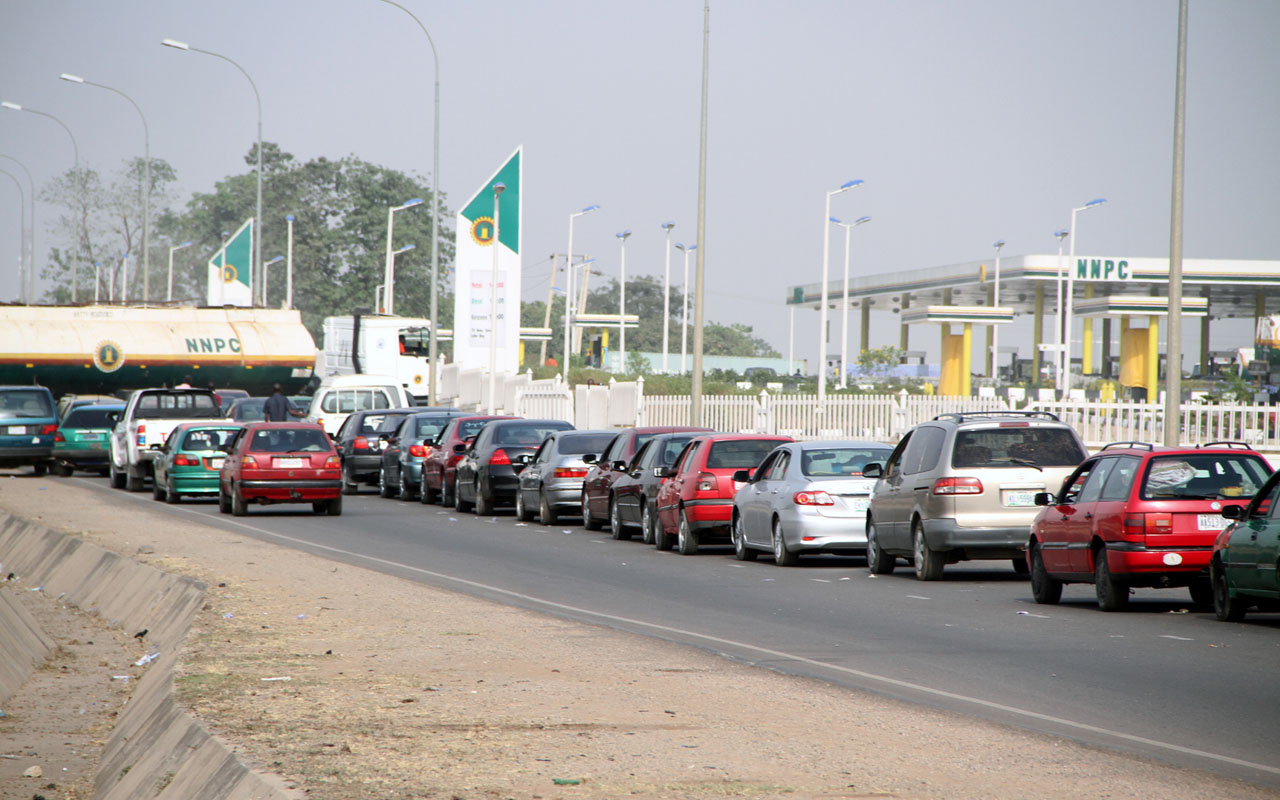
Petrol price in Nigeria has climbed to N1,400 per litre, forcing transport operators to increase fares as Nigerians struggle with rising living costs.
Petrol Price Jumps Again
Nigerians are feeling fresh pressure as the petrol price in Nigeria has climbed to as high as N1,400 per litre. The latest increase has already pushed transport fares higher in many states. As a result, many commuters now spend more money on daily movement.
The price jump followed a rise in global crude oil prices. Brent crude crossed $100 per barrel, while U.S. crude reached $92.71 per barrel. This forced marketers to increase ex-depot prices across Lagos, Warri and Calabar.
Dangote Refinery Raises Price
The Dangote Refinery also resumed loading petrol in naira after a one-week suspension. However, it increased its ex-depot price from N1,075 to N1,215 per litre. That represents a 13.02 percent increase.
The refinery had stopped loading on July 15 after introducing dollar-based pricing. It explained that getting enough crude oil through the Federal Government’s naira-for-crude deal had become difficult. Meanwhile, several marketers also adjusted their prices. Still, EMADEB slightly reduced its own rate.
Transport Costs Rise Across Nigeria
The new fuel price has pushed pump prices to between N1,260 and N1,400 per litre in many parts of the country. Because of this, transport operators have started increasing fares.
In Abuja, many commuters complained that transport now takes a bigger part of their income. Drivers said they had no option but to charge more because of expensive fuel. In Maiduguri, the fare to Kano jumped from N20,000 to N25,000. Petrol also sold for up to N1,390 per litre there.
However, transport fares remained mostly unchanged in Ibadan and Kano. Operators said they are still watching the market before making any decision.
Experts Explain the Increase
Chairman of the Independent Petroleum Marketers Association of Nigeria (IPMAN) in Borno State, Mohammed Kuluwu, said constant price changes have made many marketers unwilling to buy fresh products.
Energy law expert, Prof. Dayo Ayoade, explained that the increase reflects Nigeria’s deregulated fuel market. According to him, petrol prices now depend largely on global crude oil prices and exchange rates. He also noted that challenges with the naira-for-crude arrangement have reduced crude supply to local refineries.
Oil and gas analyst Abdullahi Shehu urged the Federal Government to supply crude oil to local refineries in naira at subsidised rates. Economist Dr. Marcel Okeke warned that the continued increase in petrol prices will make life even harder for many Nigerians.

