
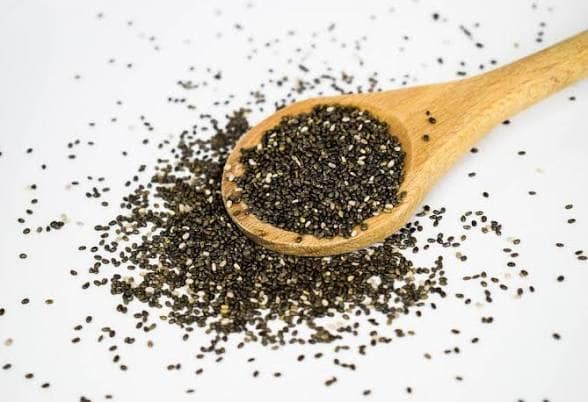
Everyone is talking about chia seeds. But before you spend your money, here is what the science actually says.
Walk into any health food store in Lagos, Abuja, or Port Harcourt today and you’ll find them — small, grey-black specks sitting in transparent bags with big promises printed on the label. Weight loss. Glowing skin. Endless energy. Better digestion. A longer life.
Chia seeds have officially arrived in Nigerian kitchens. And with them has come a wave of wellness claims so enthusiastic that it is becoming genuinely difficult to separate truth from marketing.
So let us do exactly that. No Instagram hype. No supplement brand talking points. Just what peer-reviewed research actually says — and what it honestly does not.
First, What Even Are Chia Seeds?
Chia seeds come from Salvia hispanica L., a flowering plant native to Mexico and Guatemala. The Aztecs and Mayans used them as a staple food source for centuries — long before they became a wellness industry product.

They are tiny. Tasteless on their own. And nutritionally, genuinely impressive.
A 2026 review published in a peer-reviewed nutrition journal describes chia seeds as distinguished by an exceptional nutritional profile. Rich in alpha-linolenic acid (a plant-based omega-3 fatty acid), high-quality complete protein, and unique soluble fibre in the form of mucilage. That last word, “mucilage,” explains why chia seeds expand into a gel when soaked in water. It is also, as we will see, one of the most medically relevant aspects of them.
A standard 28-gram serving (about two tablespoons) delivers approximately:
- 11 grams of fibre — nearly half of an adult’s daily requirement
- 4 grams of protein — including all essential amino acids
- 9 grams of fat — primarily omega-3 fatty acids
- Significant amounts of calcium, magnesium, phosphorus, and zinc
For a seed smaller than a sesame, that is a serious nutritional résumé.
What the Science Says Chia Seeds Actually Do
1. They Genuinely Support Heart Health
This is where the evidence is strongest — and the most clinically meaningful for a country where cardiovascular disease is the leading cause of death.
A 2025 umbrella review published in Plant Foods for Human Nutrition — synthesising data from multiple systematic reviews and meta-analyses of randomised controlled trials — found that chia supplementation resulted in significant reductions in diastolic blood pressure, systolic blood pressure, total cholesterol, and LDL cholesterol.
LDL is the type of cholesterol most closely associated with arterial plaque buildup and an increased risk of heart attack. Reducing it matters. And chia seeds, consumed consistently, appear to contribute meaningfully to that reduction.
Research has also shown that chia seeds may alleviate cardiovascular risk factors by modulating oxidative stress and inflammation — two of the underlying drivers of heart disease.
This is not one study with a small sample. This is a body of clinical evidence reviewed and re-reviewed. The heart health case for chia seeds is real.
2. They Slow Sugar Absorption — Useful for Managing Blood Sugar
Nigeria has one of the highest rates of diabetes in Africa. This makes the next finding particularly relevant.
The gel-forming fibre in chia seeds modulates digestion — slowing glucose absorption and improving glycaemic control.
When you eat chia seeds with a meal, the mucilage essentially wraps around the food in your gut and slows the rate at which sugar enters your bloodstream.
The result: a gentler, more gradual rise in blood sugar rather than the sharp spike that follows refined carbohydrates. For people managing type 2 diabetes, prediabetes, or simply trying to sustain their energy levels throughout the day, this mechanism is clinically significant.
Over the last two decades, research has indicated that chia seeds have beneficial outcomes regarding insulin resistance, lipid abnormality, glucose tolerance, and obesity.
That is a broad range of metabolic benefits from a single food.
3. They Feed Your Gut Microbiome
Your gut is home to trillions of bacteria. The balance of those bacteria influences digestion, immunity, mood, and even how your body stores fat.
The soluble fibre in chia seeds acts as a prebiotic — enriching beneficial gut microbiota and boosting short-chain fatty acid production.
Prebiotics are the food that good bacteria eat. When good bacteria thrive, they produce short-chain fatty acids — compounds that reduce gut inflammation, strengthen the intestinal wall, and support immune function. Chia seeds, consumed regularly, actively cultivate a healthier gut environment.
For Nigerians already consuming fermented foods like ogi, iru, and ugba — which introduce beneficial bacteria — chia seeds serve as the fuel that keeps those bacteria alive and multiplying.
4. They Are a Rare Plant-Based Complete Protein
Most plant proteins are incomplete — meaning they lack one or more essential amino acids the body cannot produce on its own. Chia seeds are an exception.
Chia seeds provide high-quality complete protein — all essential amino acids present in a single source. For vegetarians, vegans, or anyone trying to reduce meat consumption while maintaining adequate protein intake, this is a meaningful advantage.
Combined with their fibre content, chia seeds also keep you fuller for longer after eating them, reducing the urge to snack between meals.
Where the Hype Outruns the Evidence
Here is where honesty matters — because not every claim made about chia seeds holds up to scrutiny.
Weight loss? The evidence is modest at best. While research has indicated that chia seeds have the potential to improve cardiometabolic health, further investigation is needed to fully understand their clinical effects, due to inconsistencies in study design.
Chia seeds can support weight management as part of a balanced diet — primarily through satiety — but they are not a fat-burning supplement. No food is.
Glowing skin? The omega-3 content does support skin cell health and reduce inflammation-driven skin conditions. But the direct skin glow claims circulating on Nigerian social media are largely anecdotal — and often tied to product sales.
Detoxification? The human body detoxifies through the liver and kidneys. Chia seeds support digestive regularity — which is genuinely useful — but the dramatic “detox” language attached to them in wellness marketing has no scientific basis.
Reversing diabetes or hypertension alone? No. Chia seeds support management of these conditions alongside medical treatment and lifestyle changes. They are a complementary tool, not a cure.
How to Actually Use Chia Seeds in a Nigerian Kitchen
This is where many people get stuck. Chia seeds are unfamiliar in texture and flavour — but they are remarkably versatile.
Chia water: Soak two tablespoons in a glass of water for 20 minutes. Add lemon or lime juice. Drink in the morning before breakfast for gut health and sustained energy.

Add to zobo: Soak chia seeds and stir into your prepared zobo. The gel texture becomes part of the drink’s body and adds fibre without altering the taste.

Blend into smoothies: Add a tablespoon to any fruit blend. They disappear into the texture and contribute protein and fibre invisibly.

Chia pudding: Soak in coconut milk or plant-based milk overnight with a little honey and banana. By morning, you have a thick, pudding-like breakfast that is filling, nutritious, and genuinely pleasant to eat.

Sprinkle on oatmeal or akamu: A tablespoon on top of your morning porridge adds texture, protein, and fibre to an already nutritious base.

The key is consistency. Chia seeds eaten once are a novelty. Chia seeds eaten regularly are a health tool.
Are They Worth the Price in Nigeria?
Chia seeds are not cheap. A 200-gram pack in Lagos or Abuja typically costs between ₦3,000 and ₦6,000 depending on the brand and store.
The honest answer: if your budget is stretched, prioritise Nigerian foods first. Beans, crayfish, egusi, leafy greens, and fermented ogi deliver extraordinary nutritional value at a fraction of the cost. You do not need chia seeds to eat well.
But if you have the budget and want to add a genuinely evidence-backed supplement to your diet — particularly for blood sugar management, heart health, or gut function — chia seeds earn their shelf space.
Buy the simplest version available. You do not need flavoured, enhanced, or branded variants. Plain chia seeds do everything the research documents — nothing more, nothing less.
The Verdict
The hype around chia seeds is not entirely fabricated. The heart health evidence is solid. The blood sugar and gut benefits are real and clinically supported. The complete protein profile is genuinely unusual for a plant food.
But chia seeds are not magic. They will not melt fat, cure diabetes, or replace a doctor’s advice. They are a nutritionally dense food that earns a place in a balanced diet — not a miracle product that earns a premium price tag based on Instagram aesthetics.
Nigeria’s food culture already contains some of the most nutritionally powerful ingredients on earth. Chia seeds, at their best, simply add another useful tool to a kitchen that was never as ordinary as wellness marketing would have you believe.
Eat your egusi. Drink your zobo. And if you have room for chia seeds too — now you know exactly what they will and will not do for you.

