
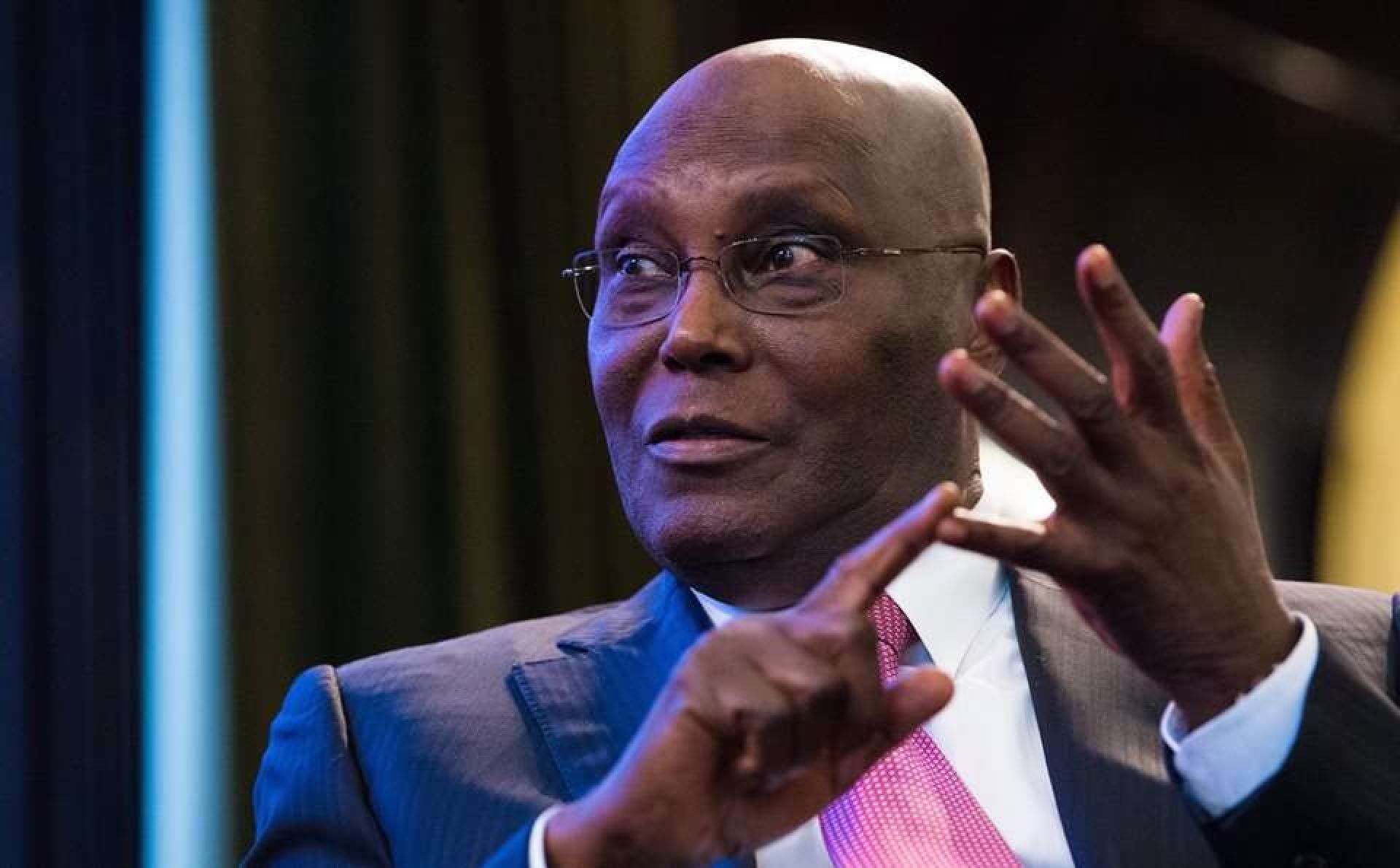
Former Vice President Atiku Abubakar has criticized the Federal Government over published revenue figures, calling the FAAC allocation increase under President Bola Tinubu a “monetary illusion” and a “scam of numbers”.
In a press statement signed by his Senior Special Assistant on Public Communication, Phrank Shaibu, Atiku stated that rising naira figures conceal severe economic decline. He noted that currency depreciation, high inflation, and declining purchasing power undermine the reported growth.
Consequently, Atiku warned that a nominal FAAC allocation increase fails to deliver real economic value to ordinary citizens.
Therefore, he urged the Federal Government to stop presenting inflated revenue figures as proof of national prosperity.
Economic Impact Tested Against Currency Depreciation and Wages
Comparing past and present revenue figures, Atiku noted that FAAC allocations grew from N7.85 trillion ($25.6 billion) in 2019 to about N21.9 trillion ($14.6 billion) in 2025.
Furthermore, he stressed that while naira allocations almost tripled, their actual dollar value fell by more than 40 percent.
“Bigger numbers do not cancel smaller value,” Atiku declared, adding that inflation continues to destroy real household incomes.
In addition, he illustrated the economic decline using minimum wage benchmarks. He noted that the N30,000 minimum wage in 2019 was worth $83, whereas the current N70,000 wage equals roughly $53.
He argued that workers earn larger naira amounts but afford less food, transport, medicine, and housing.
Rising Debt Liabilities and Demand for Fiscal Transparency
Addressing state governance, Atiku highlighted that 12 outgoing state governors carry a combined debt burden of N5.3 trillion despite receiving higher monthly allocations.
According to him, state governments continue to struggle with unpaid pensions, contractor debts, and heavy financial liabilities.
“Nigerians do not eat FAAC figures. They do not pay school fees with percentages,” Atiku stated, emphasizing that public welfare remains the true measure of economic growth.
Moreover, he called on the presidency to account for how increased revenues have improved public living standards.
Finally, Atiku concluded that without tangible public benefits, every reported FAAC allocation increase remains mere paper growth.

