
Officials Advocate Clearer Border Demarcation
Nigeria and the Benin Republic have renewed efforts to strengthen border security, regional trade, and peaceful coexistence across West Africa.
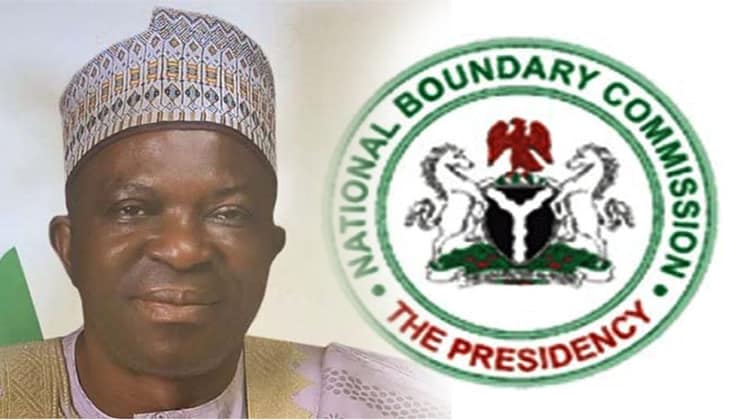
The Director-General of Nigeria’s National Boundary Commission, Adamu Adaji, said proper border demarcation remains vital for security, economic growth, and stronger cooperation among neighbouring countries.
Adaji spoke during a two-day Cross Border Cooperation Programme held along the Nigeria-Benin and Benin-Togo borders on May 14 and 15, 2026.
The National Boundary Commission of Benin Republic organised the programme through its Director-General, Dr Yousouf Adams.
Representing Adaji at the event, the Head of Cross Border Cooperation, Dr Farouk Tarfa, said clearly defined borders would improve peace, strengthen community resilience, and boost regional stability.
He explained that many African boundaries inherited after independence remained unclear for decades. Despite this challenge, African leaders chose peaceful dialogue and regional cooperation over conflict.
Nigeria Seeks Support to Complete Border Projects
Adaji called for stronger support from the German International Cooperation to complete the demarcation of the Nigeria-Benin international boundary.
According to him, finishing the project would improve trade activities, create jobs, and strengthen security in border communities.
“We seek continued support towards completing the Nigeria-Benin border demarcation project,” he said.
“The successful completion of the process will improve livelihoods, strengthen security, and encourage cross-border cooperation.”
He also commended the boundary commissions of Nigeria and Benin for promoting peaceful coexistence among communities living near the borders.
Benin Highlights Regional Integration Goals
Speaking at the programme, the Director-General of Benin’s National Boundary Commission, Dr Yousouf Adams, said border governance in West Africa is witnessing major reforms.
He noted that the African Union Border Programme encourages member states to properly define their borders while transforming border areas into centres of cooperation and development.
The programme attracted several regional and international officials. They included the Director of German International Cooperation at the African Union, Dr Tobias Thiel, and GIZ representatives Mr Max Middeke and Dr Bakary Sanou.
Delegation Visits Border Communities
Delegates visited border pillars and inspected several socio-economic projects along the border corridor.
The team also paid a courtesy visit to the Oba of Iwoye-Ketou, His Royal Majesty Sir Isaac.
During the meeting, the monarch urged continued collaboration to sustain peace and good neighbourliness among border communities.
He praised Nigeria, Benin, and the German International Cooperation for supporting development and peaceful relations in border areas.
“Engaging border communities gives them a sense of belonging, reduces irregular migration, and strengthens security,” the monarch said.
Fresh Push for ECOWAS Integration
As part of the programme, officials inaugurated Local Cross Border Cooperation Platforms along the Benin-Togo border.
Authorities said the initiative would promote stronger ties among West African communities and improve regional integration.
The platforms are expected to enhance security cooperation, support economic growth, and encourage peaceful coexistence across the sub-region.
Officials also recalled that local governments and communes from Nigeria and Benin had earlier signed a Memorandum of Understanding on local cross-border cooperation.
The agreement aims to improve the welfare of border communities and deepen the ECOWAS integration process.

